Asia
Asia is a continent full of energy and endless adventure: where ancient temples meet neon-lit skyscrapers, and street markets buzz with life. From Bali’s rice terraces to Tokyo’s bustling streets, Thailand’s golden beaches to Seoul’s vibrant night markets, Asia blends rich tradition with bold, modern experiences. Whether you’re hiking misty mountains, chasing waterfalls, or tasting local flavors, Asia doesn’t just offer a trip. It offers curiosity, wonder, and the thrill of discovering the world.
See all trips
See all trips










.webp&w=1920&q=90)


Unmissable Moments
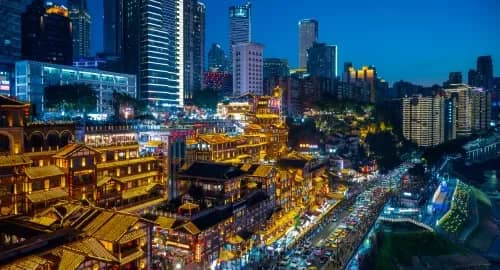
Chongqing: When the City Turns On
Earlier this year the boys stood at Chaotianmen and had the same reaction most people do: what the hell is this place. Tonight you find out why they came back. An afternoon in traditional dress at Baguo Hall, old Chongqing on foot, then the city switches on and you get on the boat. Bridges glow. Towers climb out of the hills. Roads run above buildings that sit above other roads. The whole thing looks slightly fake except you are standing right in the middle of it
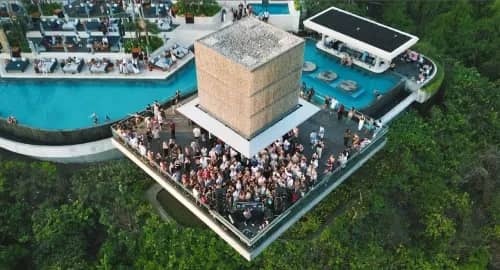
The Send-Off at Savaya
100 metres above the Indian Ocean. Limestone cliffs of Uluwatu on one side. Jungle on the other. The whole ARRIVAL crew together for the last night of the trip with a headline act. The number one club in Asia exists in a setting that makes the music hit differently, because there is nowhere else on earth quite like it.
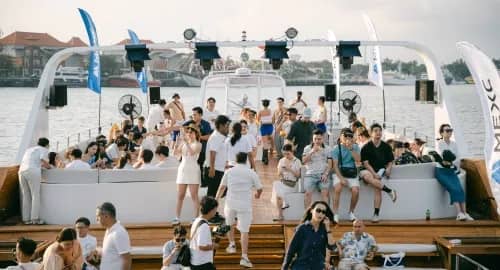
The Boat Party
The trip is one day old and you're already on a yacht sailing into a Bali sunset. A modernised Indonesian long tail, wooden interiors, open deck, sound system built for this exact moment and a DJ who knows what to do with golden hour at sea. The whole ARRIVAL crew together for the first proper time. The coastline sliding past.
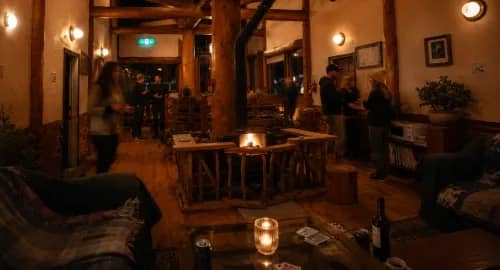
The First Night Back at the Chalet
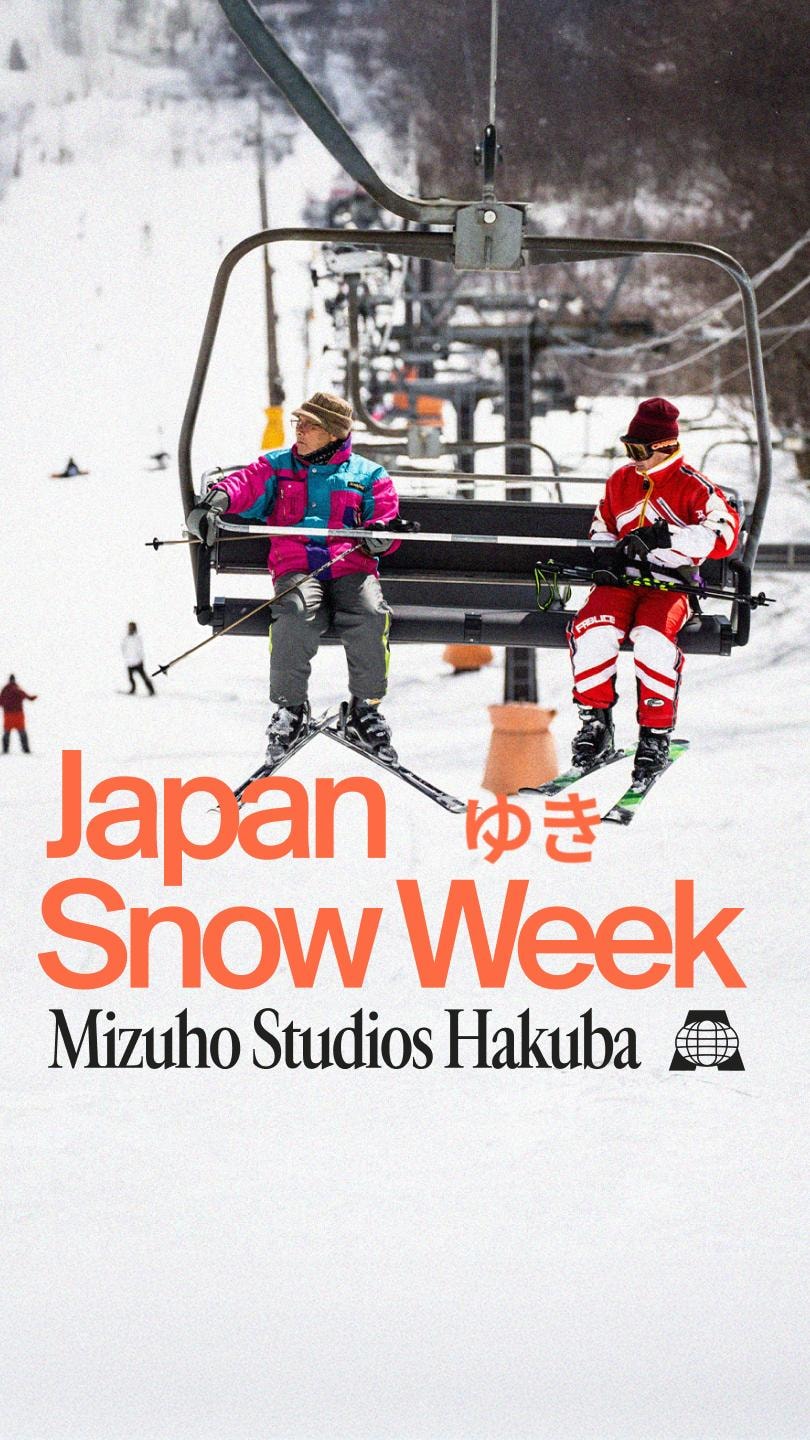
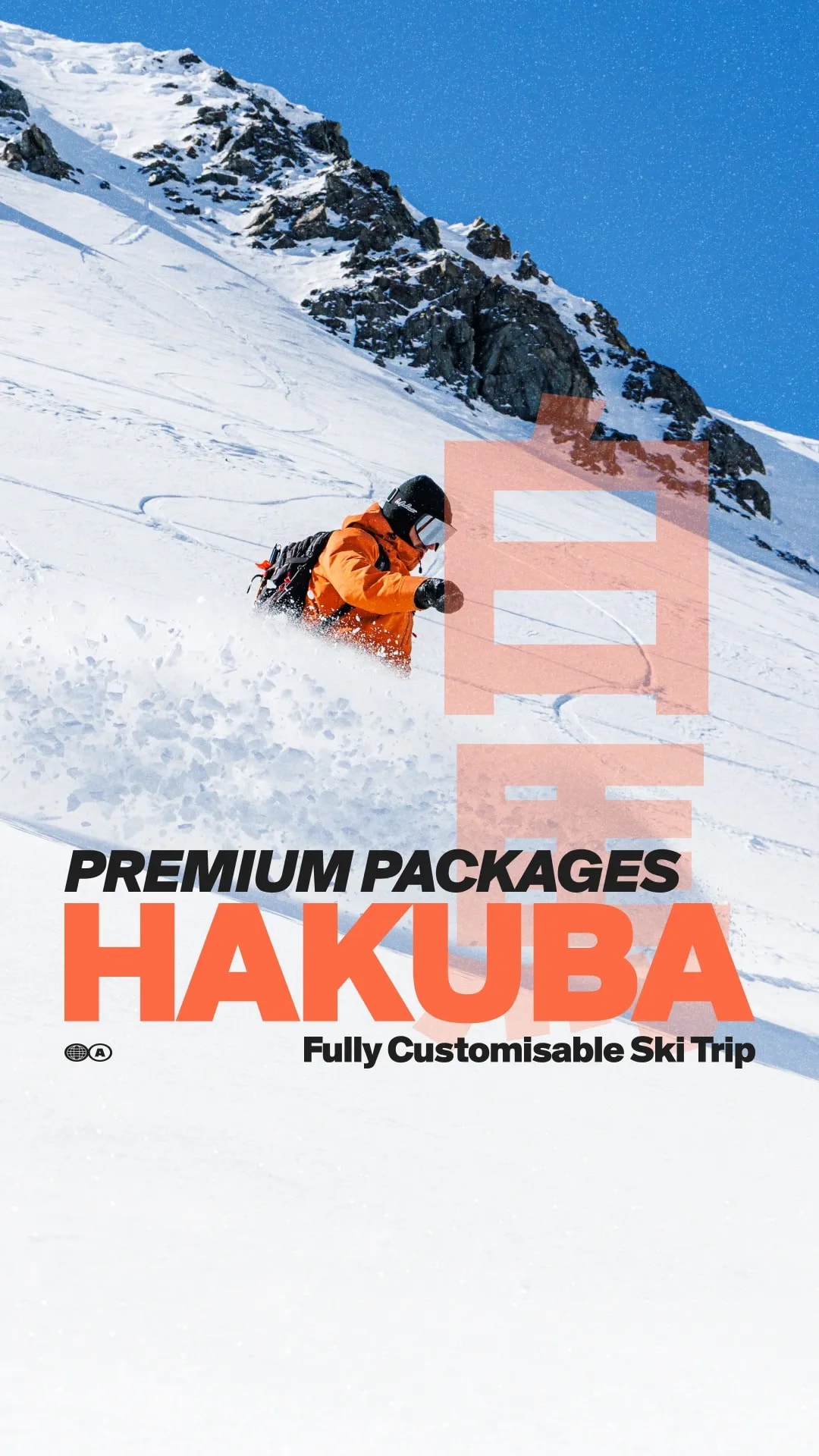
It is only the first day on snow. Boots are drying by the fire. Someone is cooking. Someone else has already opened a few beers. Half the group is replaying the day's best runs while the other half is working out where the best conditions are tomorrow. Outside it is snowing. Inside nobody is looking at their phones. This is where it clicks. You did not just book a ski trip. You accidentally found your people.
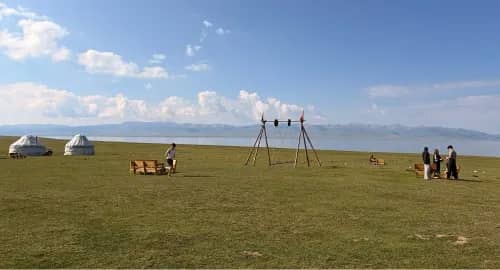
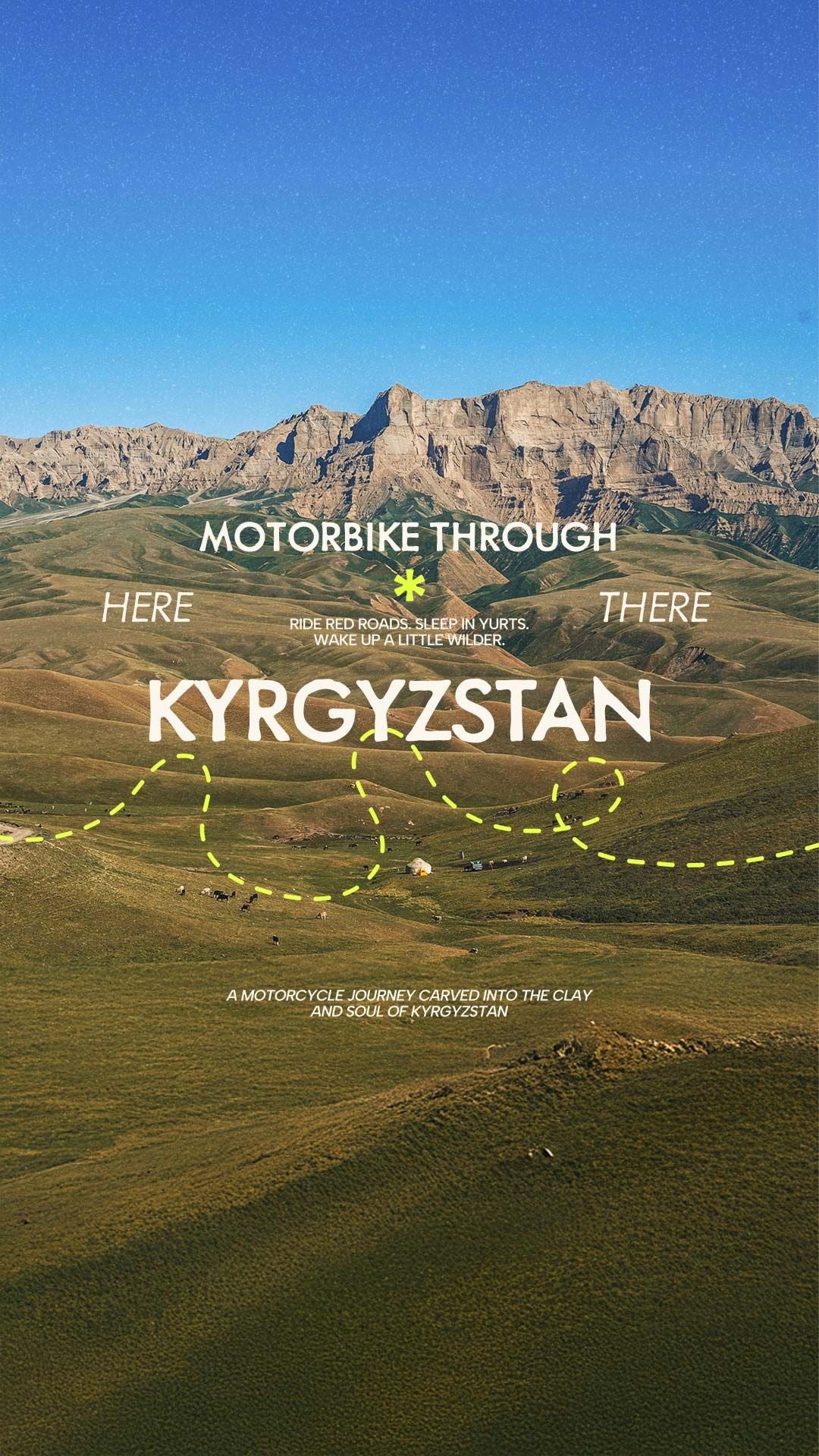
The First Night at Son-Kul
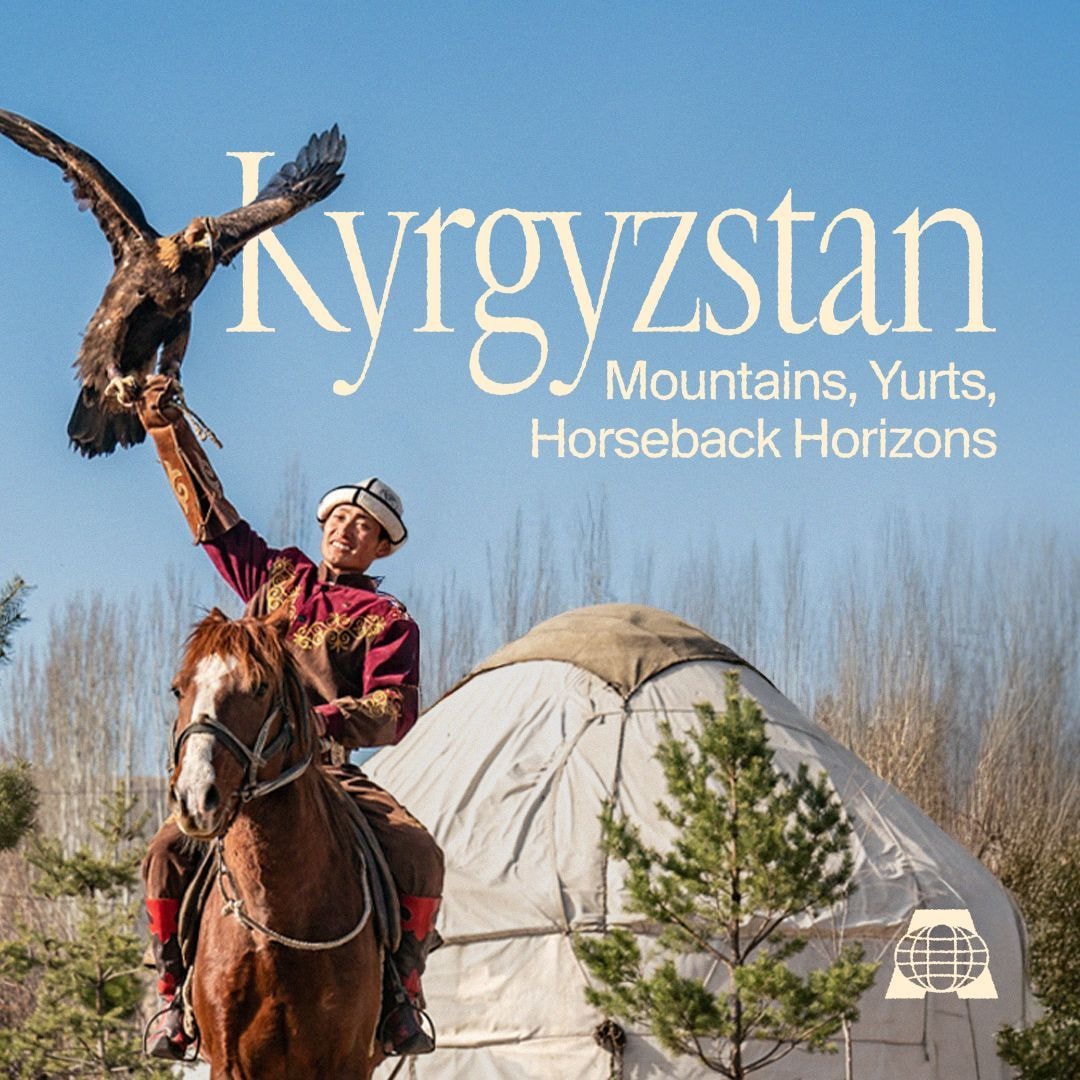
Nobody plans for the moment the lake appears on the horizon after a full day on horseback and the scale of the silence hits before the beauty does. Dinner in the yurt runs long into the night. The night sky at this altitude, with no light source for kilometres in any direction, is something you’ll remember long after the trip.
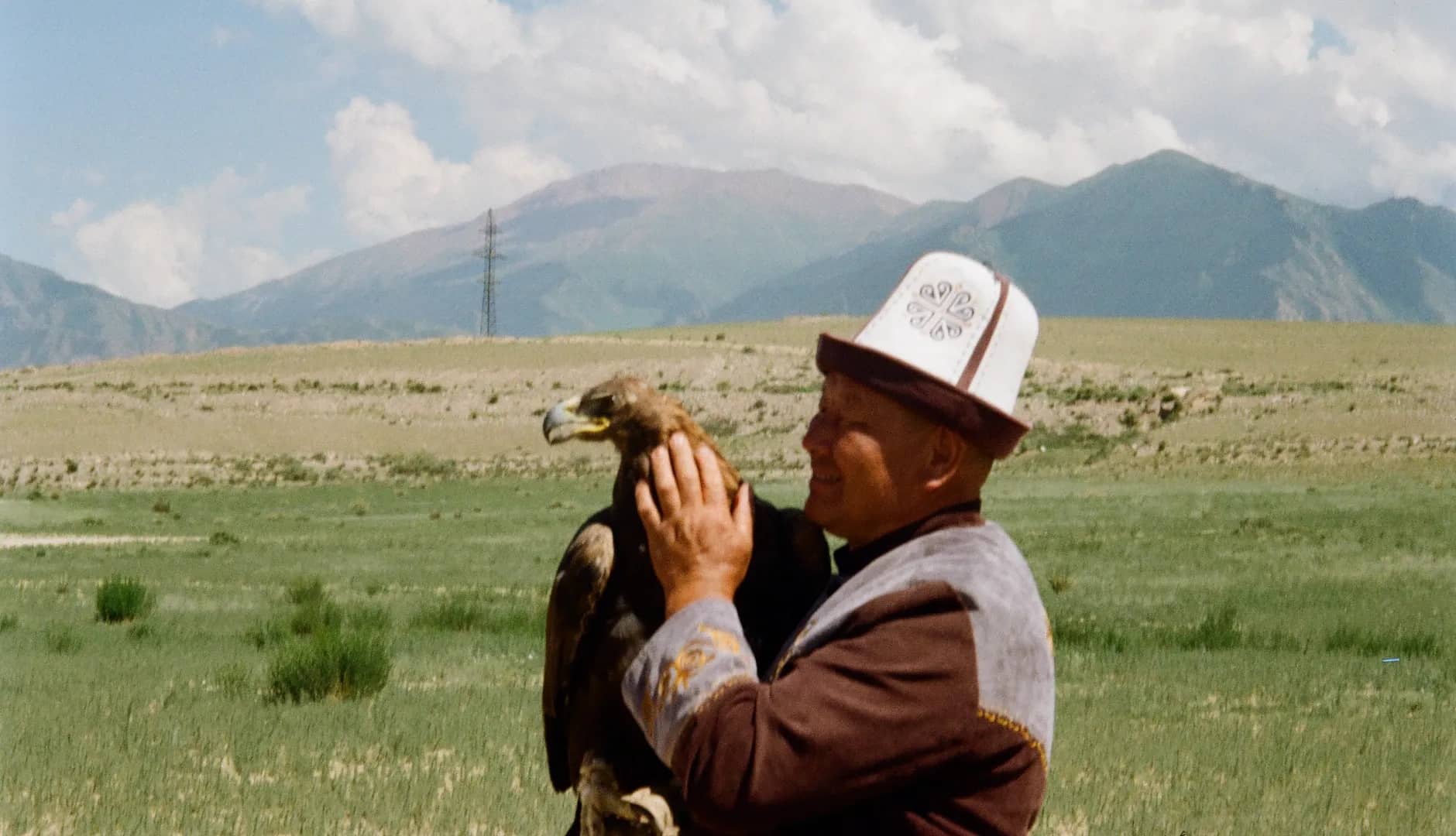
The Eagle on Your Arm
A berkutchi has been practising this tradition since childhood and his father before him and his father before that, which is the context you are holding in your arms along with four kilograms of golden eagle. The bird looks at you once and returns its attention to the horizon.
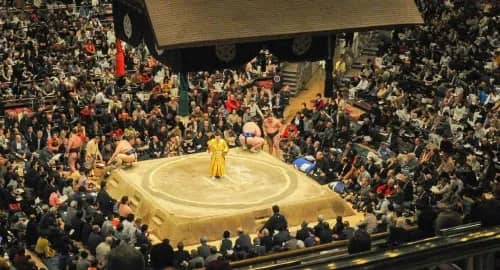
Sumo at the Ryogoku Kokugikan
Walk along the Sumida River from the hotel as the rikishi arrive. Find your seat before 3pm and watch Japan's oldest sporting tradition play out in front of you. The September tournament's final week means every bout carries real weight. The ritual before contact, the stillness, then the explosive few seconds that decides everything. You'll understand why Japan has kept this unchanged for centuries within the first ten minutes of being inside.
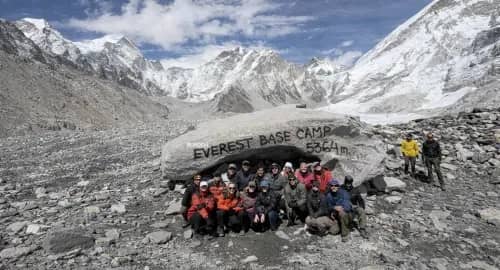
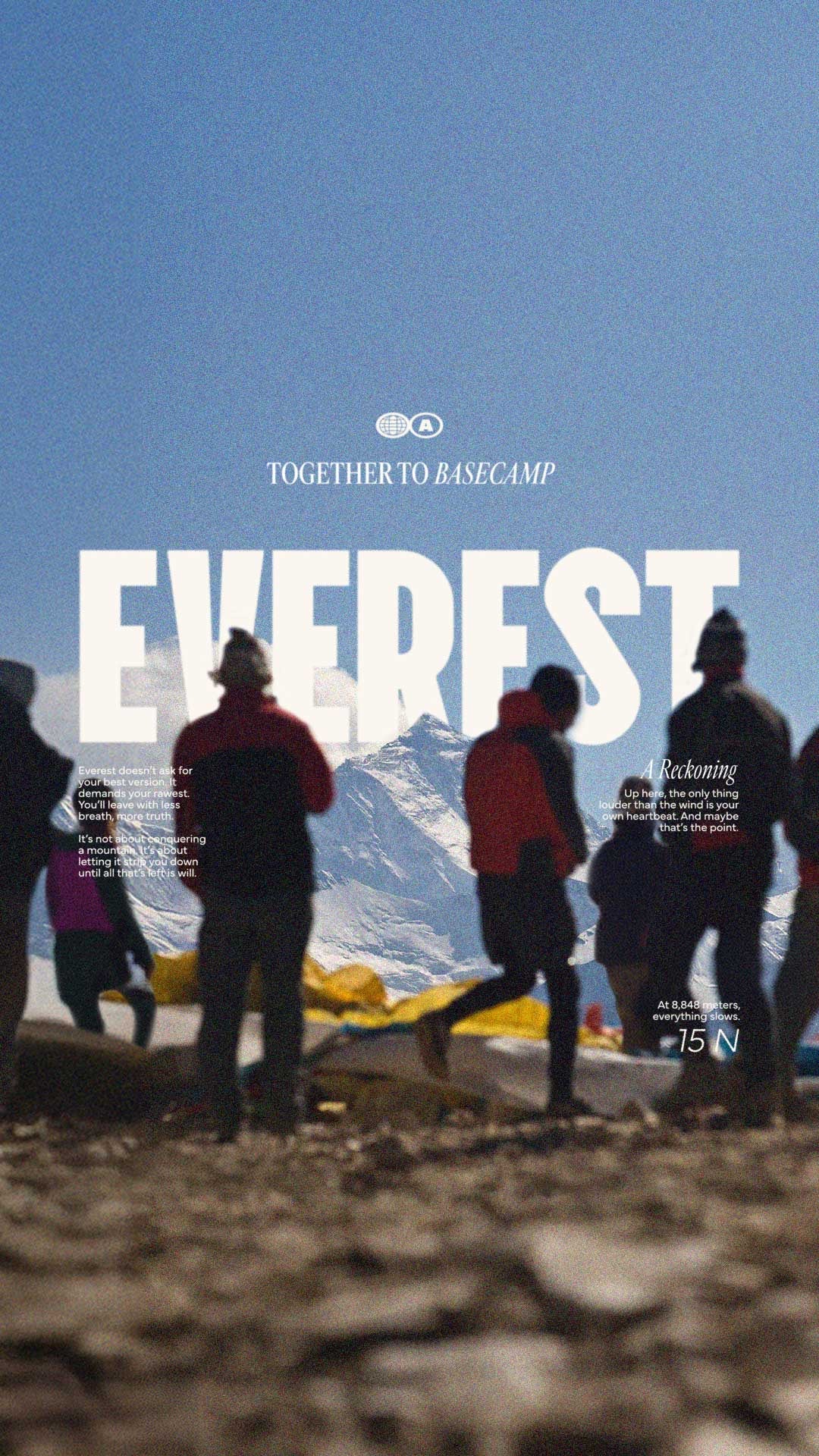
Everest Base Camp. 5,364 Metres. You made it.
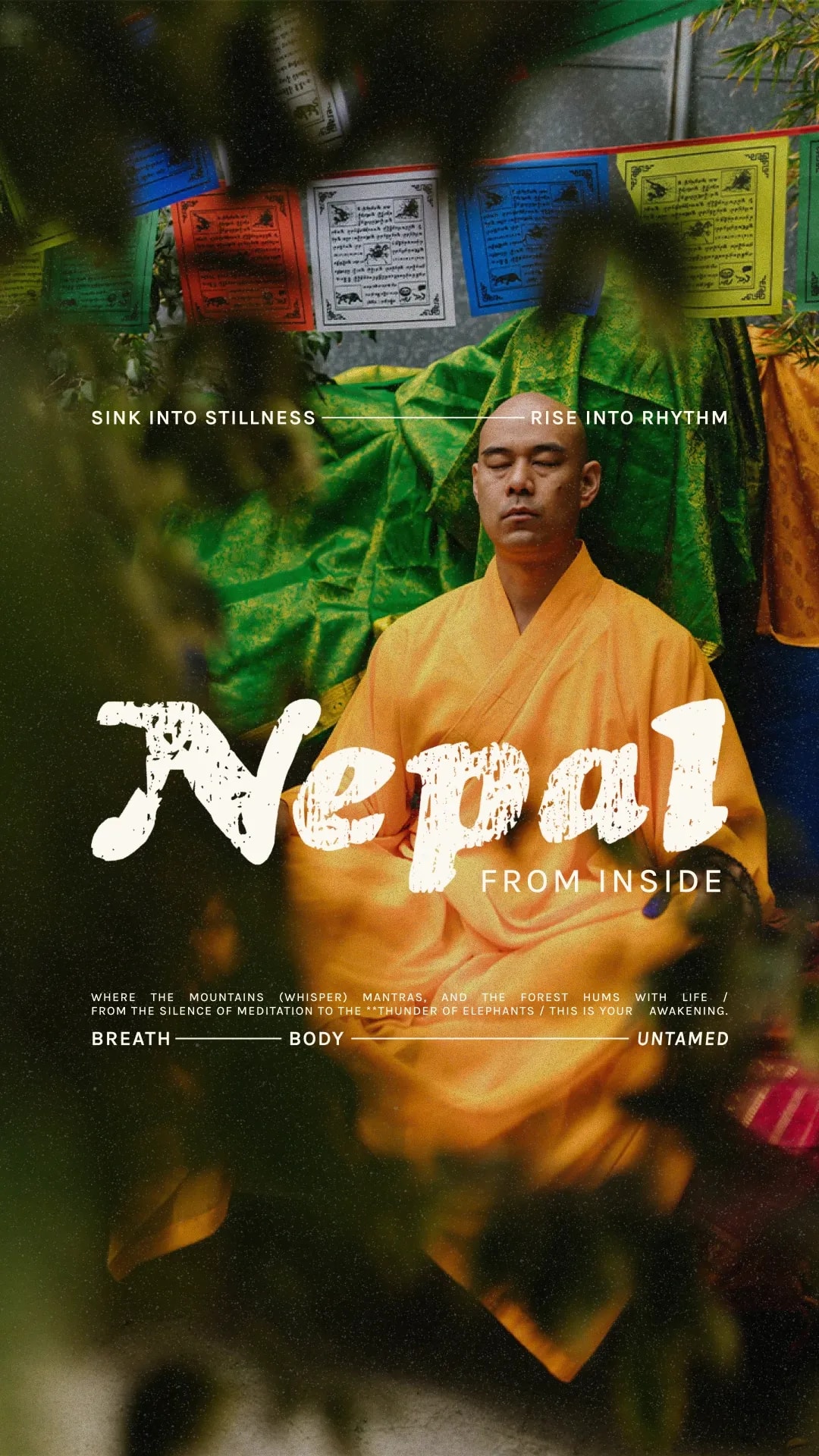
Ten days of walking brought you here. Your legs know every metre of it. The Khumbu Icefall groans beside you. Prayer flags snap in the wind. Twenty ARRIVAL travellers stand together at the foot of the world's highest mountain and feel every kilometre they earned to get there. You'll remember this for the rest of your life.

Hit the Jungle Club, Ubud
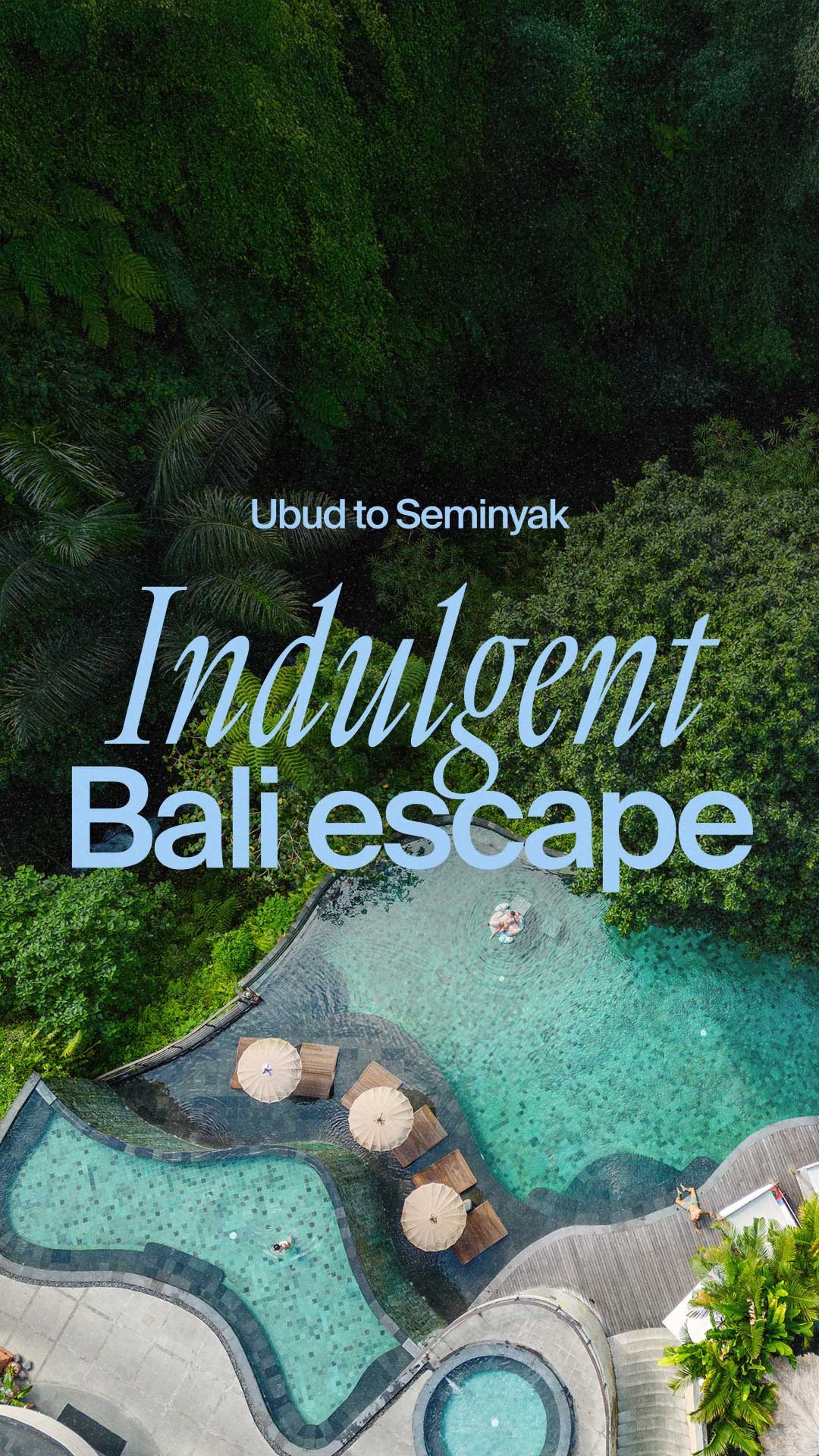
Beach clubs are out. Jungle clubs are in. Swap sand for canopy at Ubud’s Jungle Club, where infinity pools hang over deep green valleys and the soundtrack is birds, bass and clinking glasses. Swim above the treetops. Drink cold cocktails, and watch mist roll through the jungle.
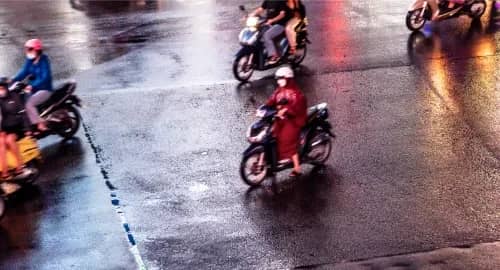
Saigon by Vespa After Dark
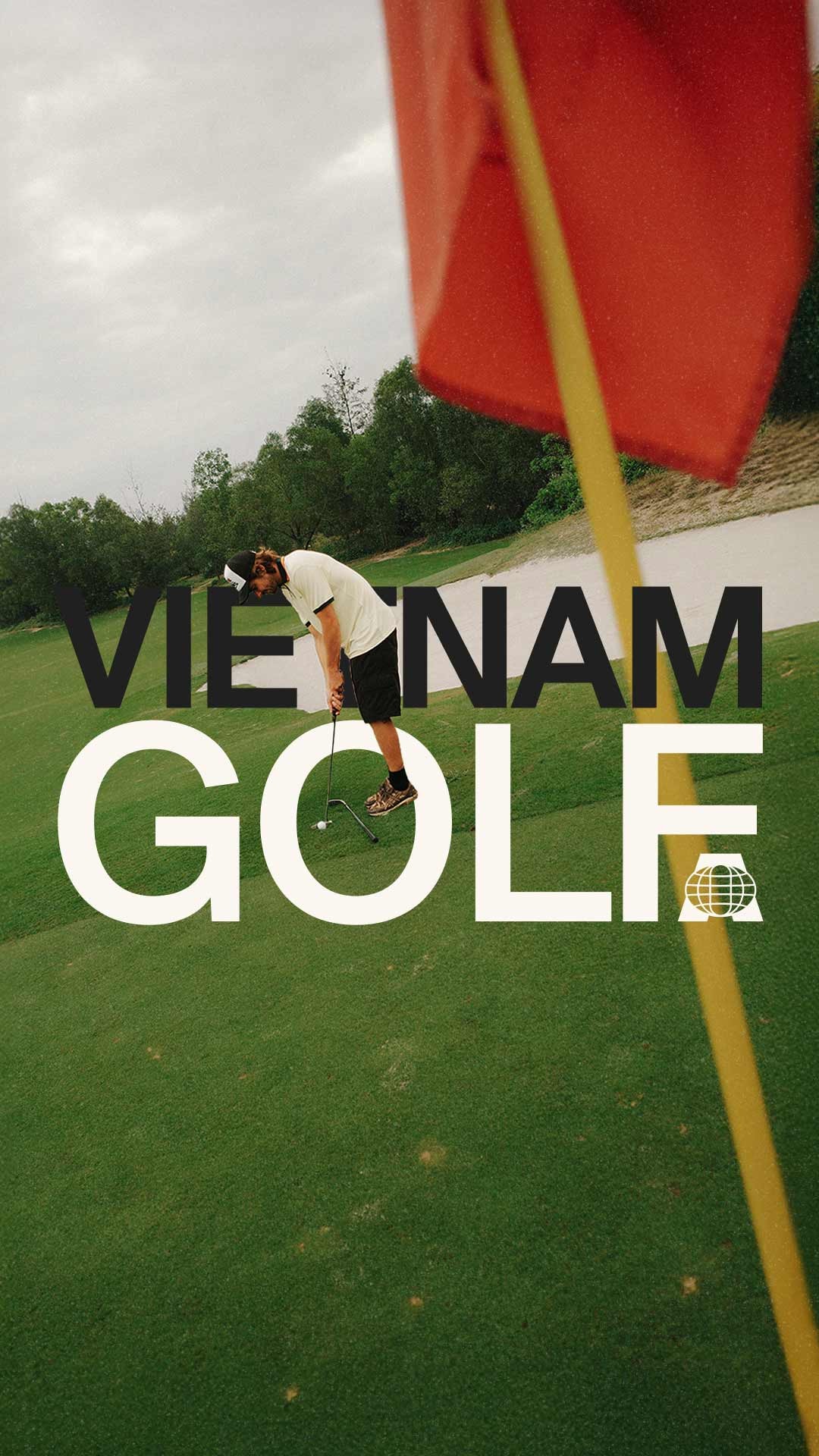
Sunset drinks on a rooftop, then you’re straight into it. Riding on the back of a Vespa through Saigon's traffic in the dark before the night closes at a live music venue in the backstreets. This is the best possible introduction to Vietnam. Immediate, chaotic and completely alive, all within hours of landing.

Private Snorkelling at Half-Moon Reef and Coral Mountain
A private speedboat out of An Thoi Port to reef systems most Phu Quoc visitors never find. Half-Moon Reef first. Golden anemone gardens and coral canyons in water up to nine metres deep. Then Coral Mountain, the largest cactus coral grove on the island in water so clear it barely feels real. The day ends with a cocktail in hand at a secluded island with a beach bar.
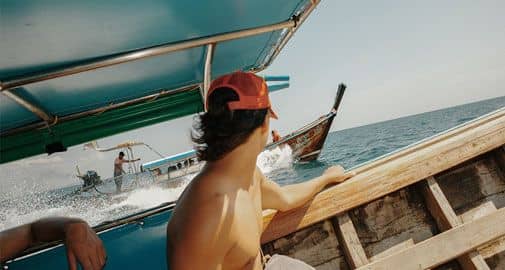
Speedboat to Phi Phi Island, Thailand.
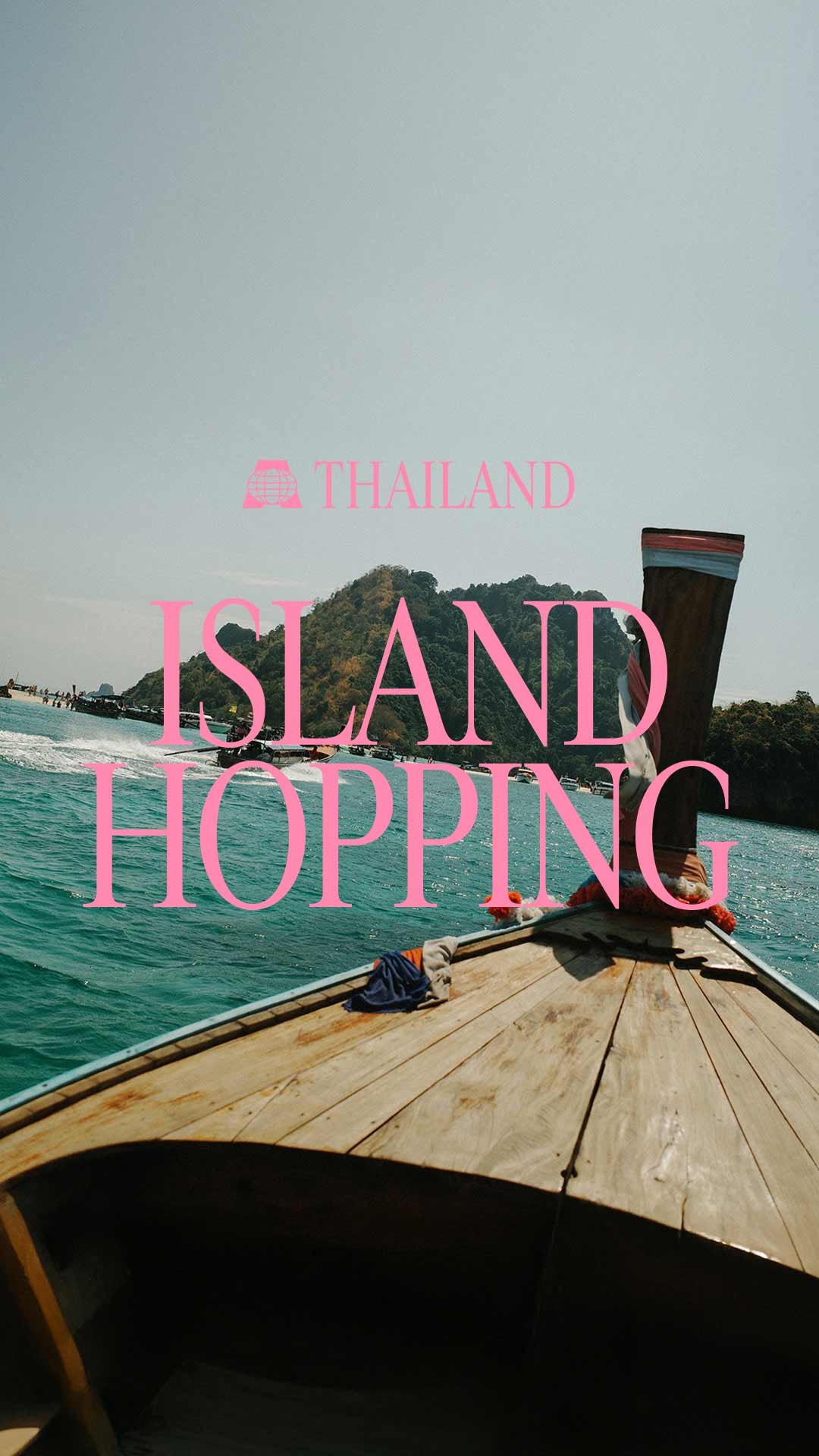
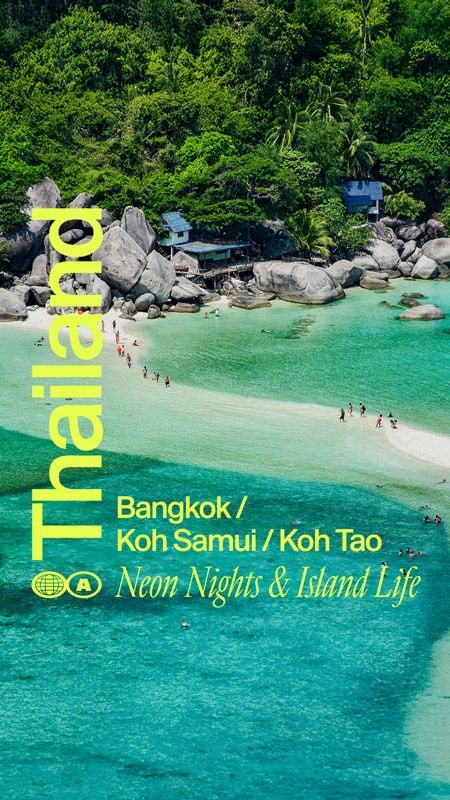
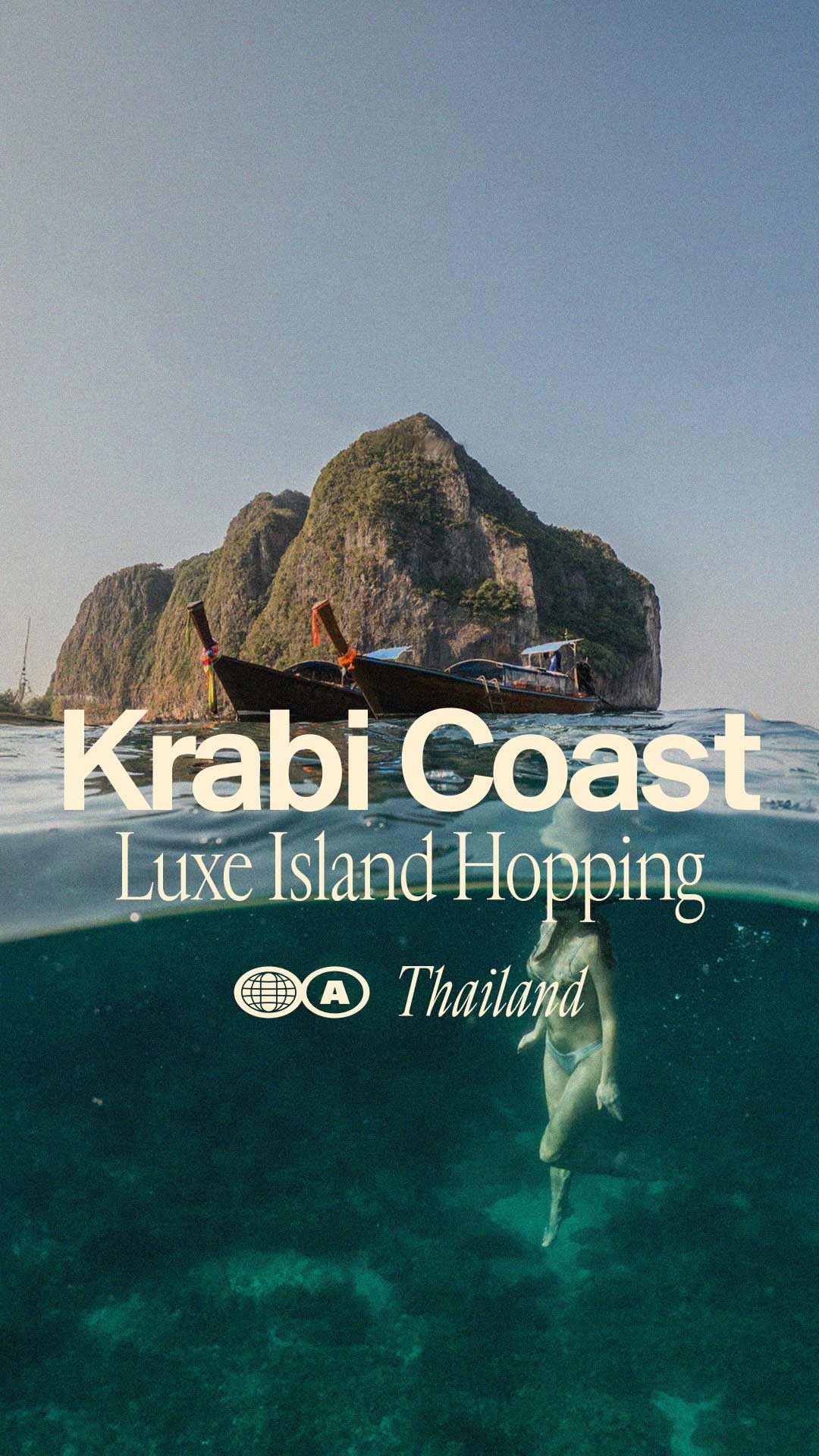
You've got the need, the need for speedboat speed. Rip through the Andaman Sea at pace, weaving between limestone islands and open water. Cruise past karst formations and turquoise bays before pulling into Phi Phi to stay overnight.
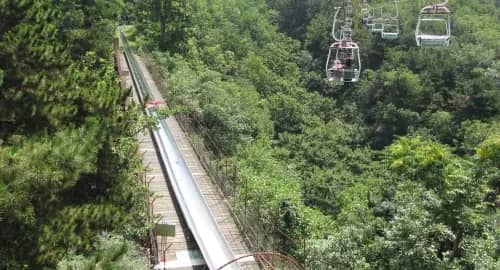
Tobogganing Off the Great Wall
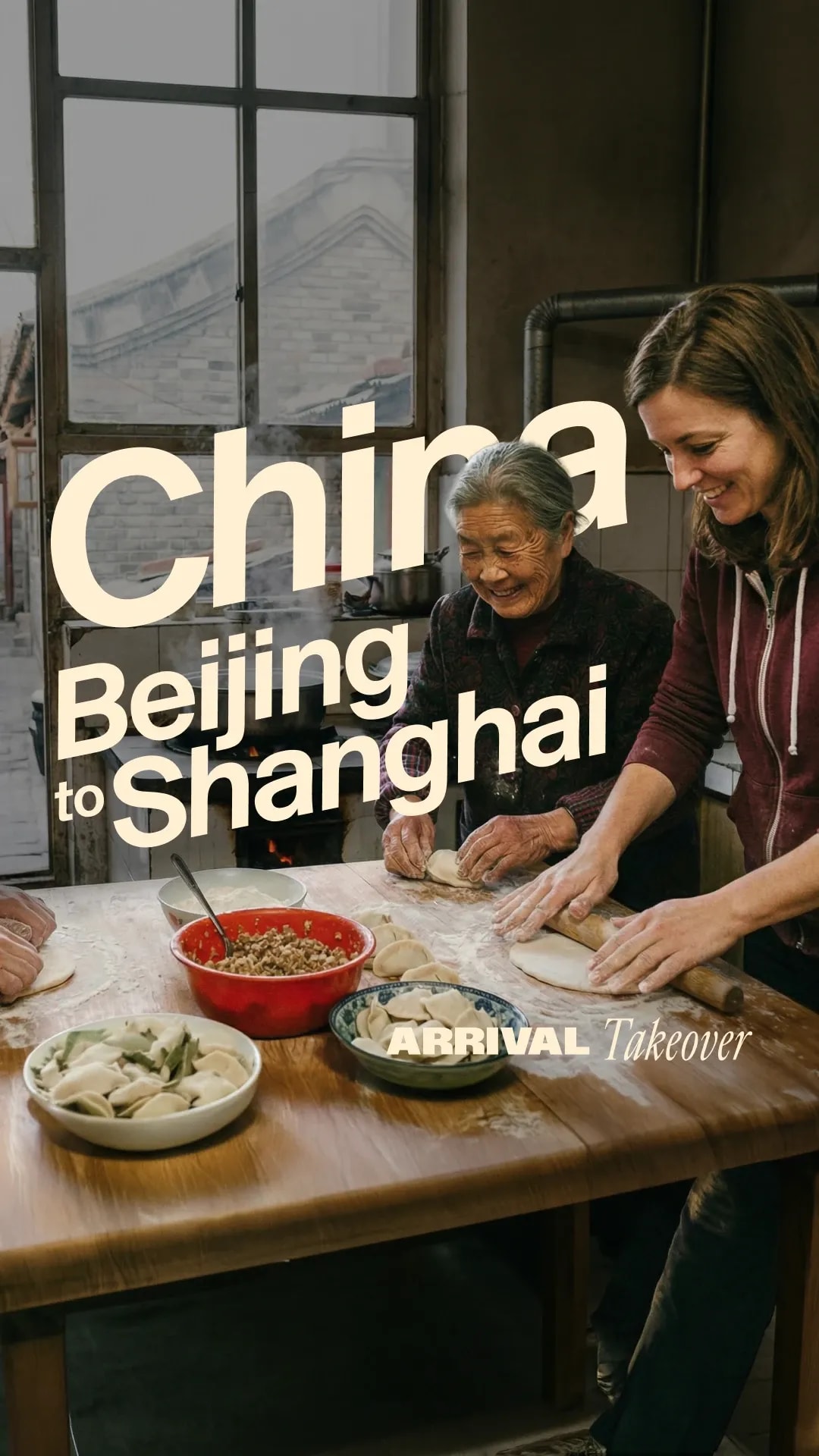
Ride the cable car up and walk the ridgeline of the Great Wall, hills rolling out in every direction. Then hop on a metal toboggan and let gravity do the talking. History, with a very un-serious exit.
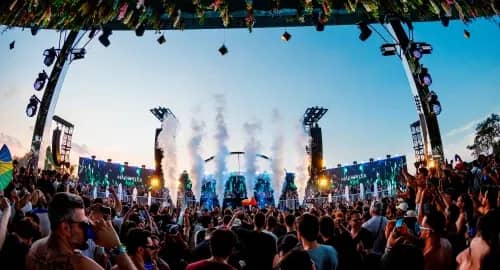
Experience the Magic of Tomorrowland Thailand
Three days inside one of the most iconic music experiences in the world. You arrive and step into a space where thousands of people move together, carried by the same excitement and energy. New stages, new music, new people... a whole lot of joy.
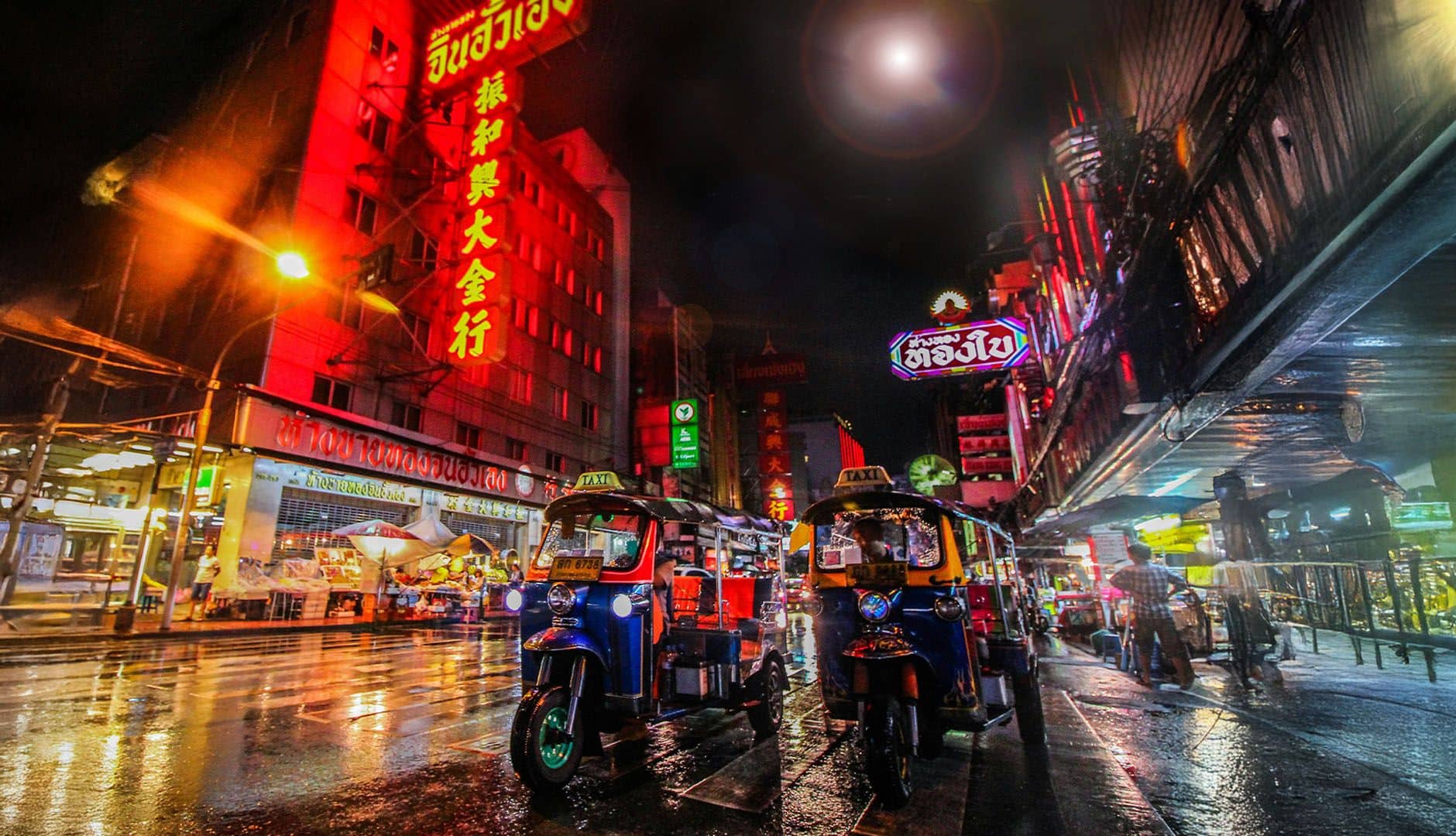
Tuk Tuk Street Food Tour, Bangkok
Bangkok after dark gets spicy. Tear through neon backstreets by Tuk Tuk, chasing the city’s best street food – sweating over open flames, smashing satay, dumplings and chilli heat. Loud, greasy, addictive. The best way to taste Bangkok.
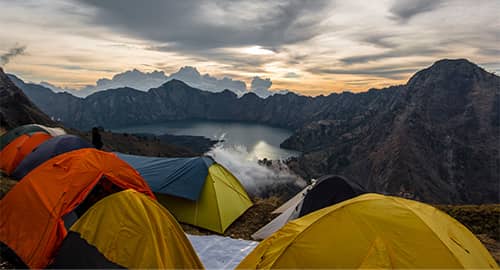
Camp on a f*kn active volcano!
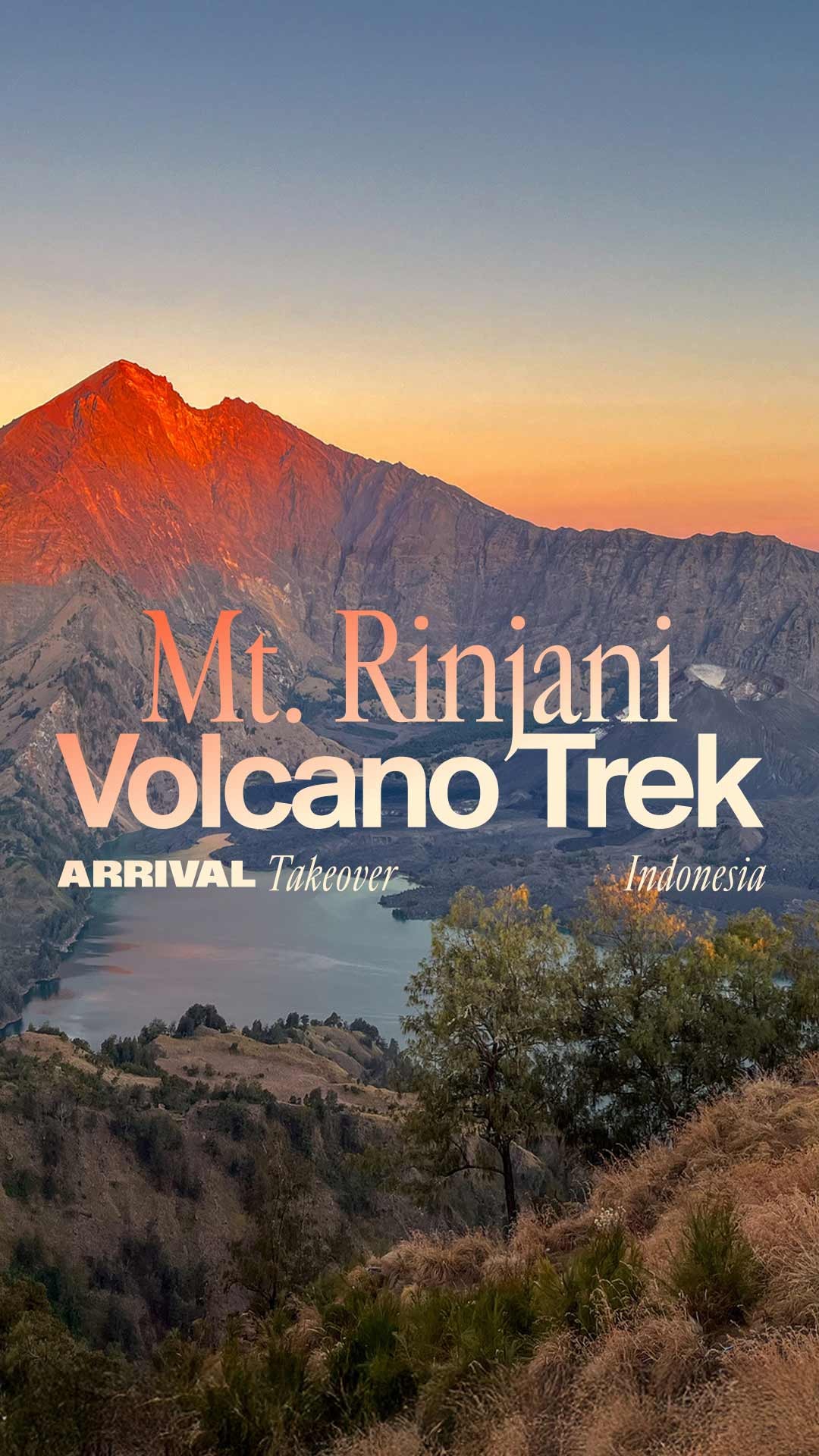
A three-day trek with the ARRIVAL crew up Mount Rinjani, pitching your tent on the rim of an active volcano to get bragging rights for life. Are we insane? Probably.
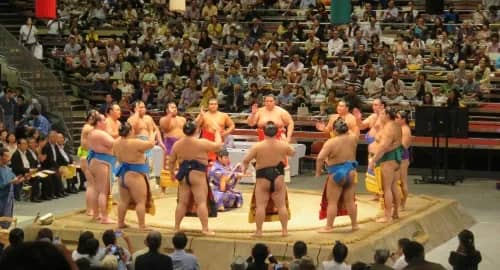
Sumo at the Ryogoku Kokugikan Arena
Walk along the Sumida River from the hotel as the rikishi (wrestlers) arrive. Their scale makes everything around them look smaller. Inside, thousands of people fall completely silent before each bout. One of the oldest sporting traditions on earth, still completely unchanged. Japanese sumo crowds don't cheer. They hold their breath, then they erupt.
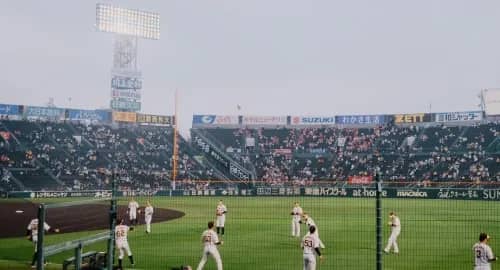
Hanshin Tigers at Koshien Stadium
47,000 people in Tigers gear. Coordinated chants, plastic batting sticks clapping in unison and an atmosphere that builds from the first pitch. Japanese baseball crowds don't watch passively, they perform. September is tournament season which means the energy is dialled up and the stadium feels every bit of it – it’s one of the loudest rooms you'll ever sit inside.

Butter Hotel Bingo Night
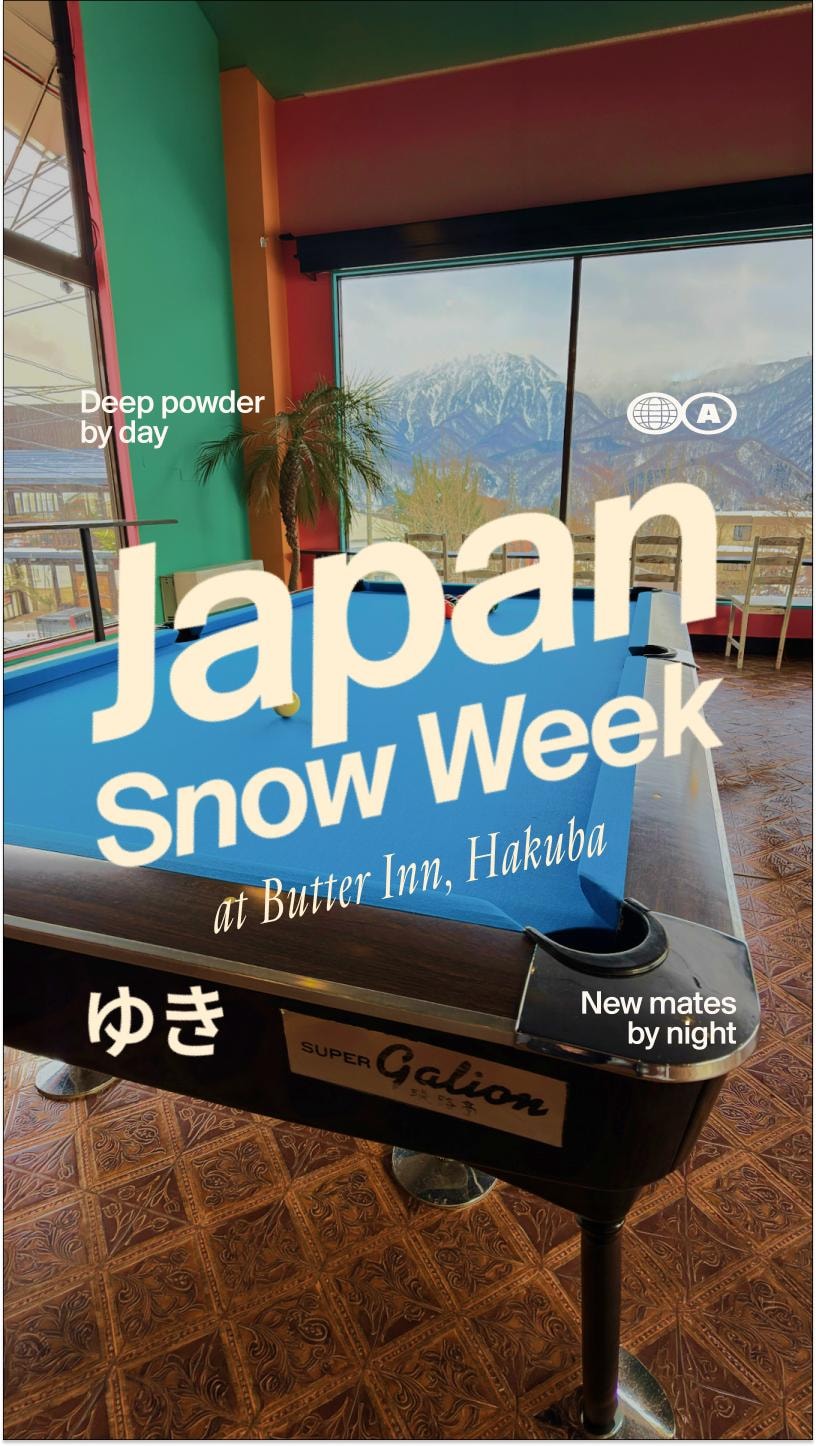
You’d never believe it, but somehow in the middle of your ski trip, bingo becomes the main event. It’s loose, loud, slightly chaotic, and exactly the sort of mountain-town madness that turns strangers into mates and a story you’ll keep dragging out for years.
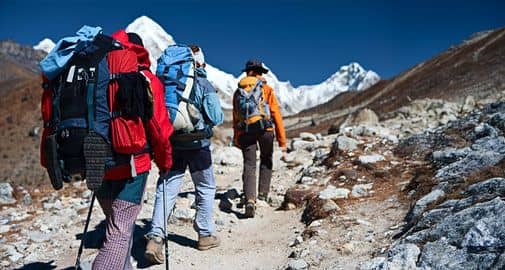
Hitting Base Camp with burning legs and a stupid grin, Nepal
You earned every metre. The altitude’s real, the air is thin, and suddenly–boom–Everest is right there. You made it.
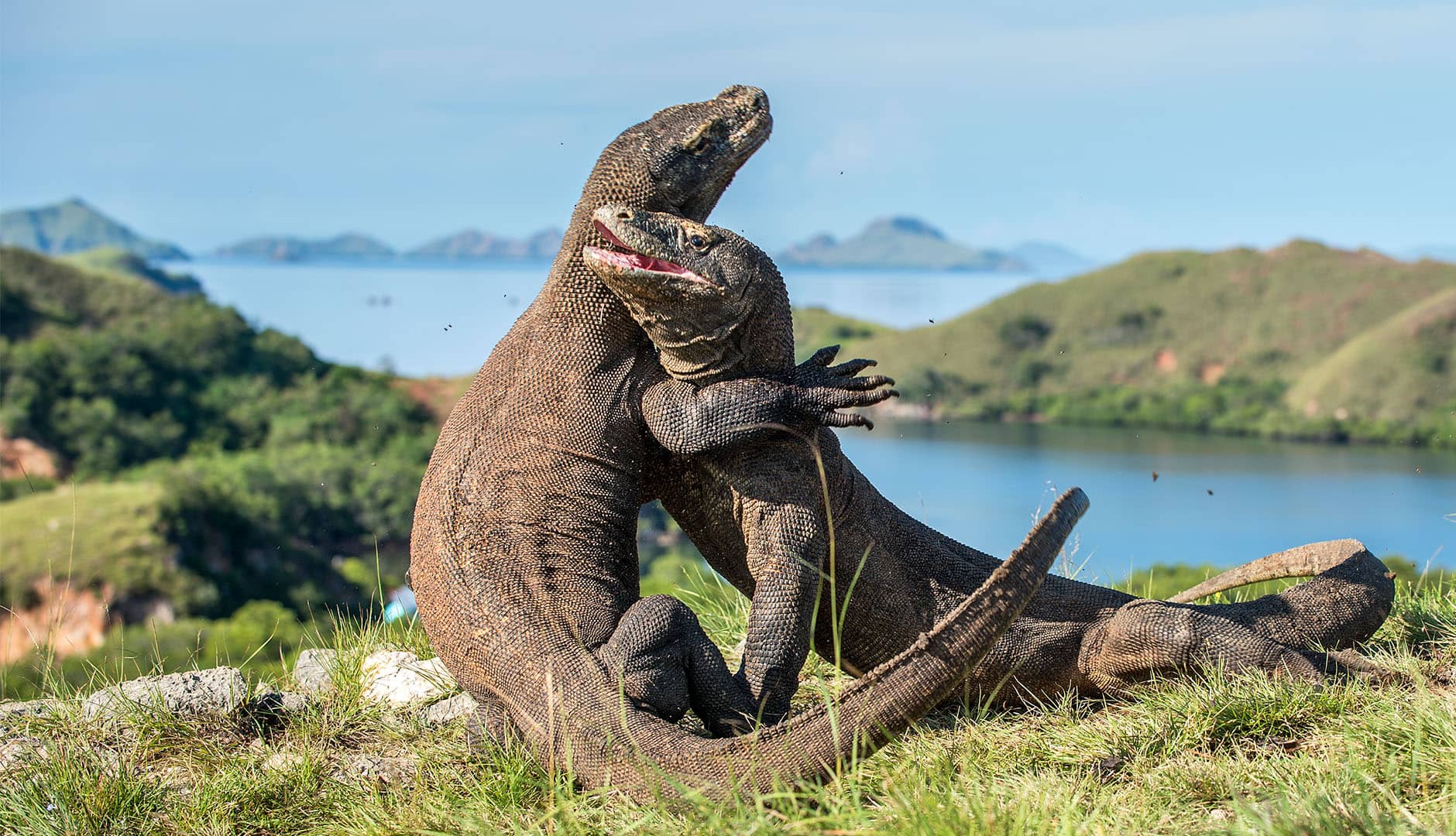
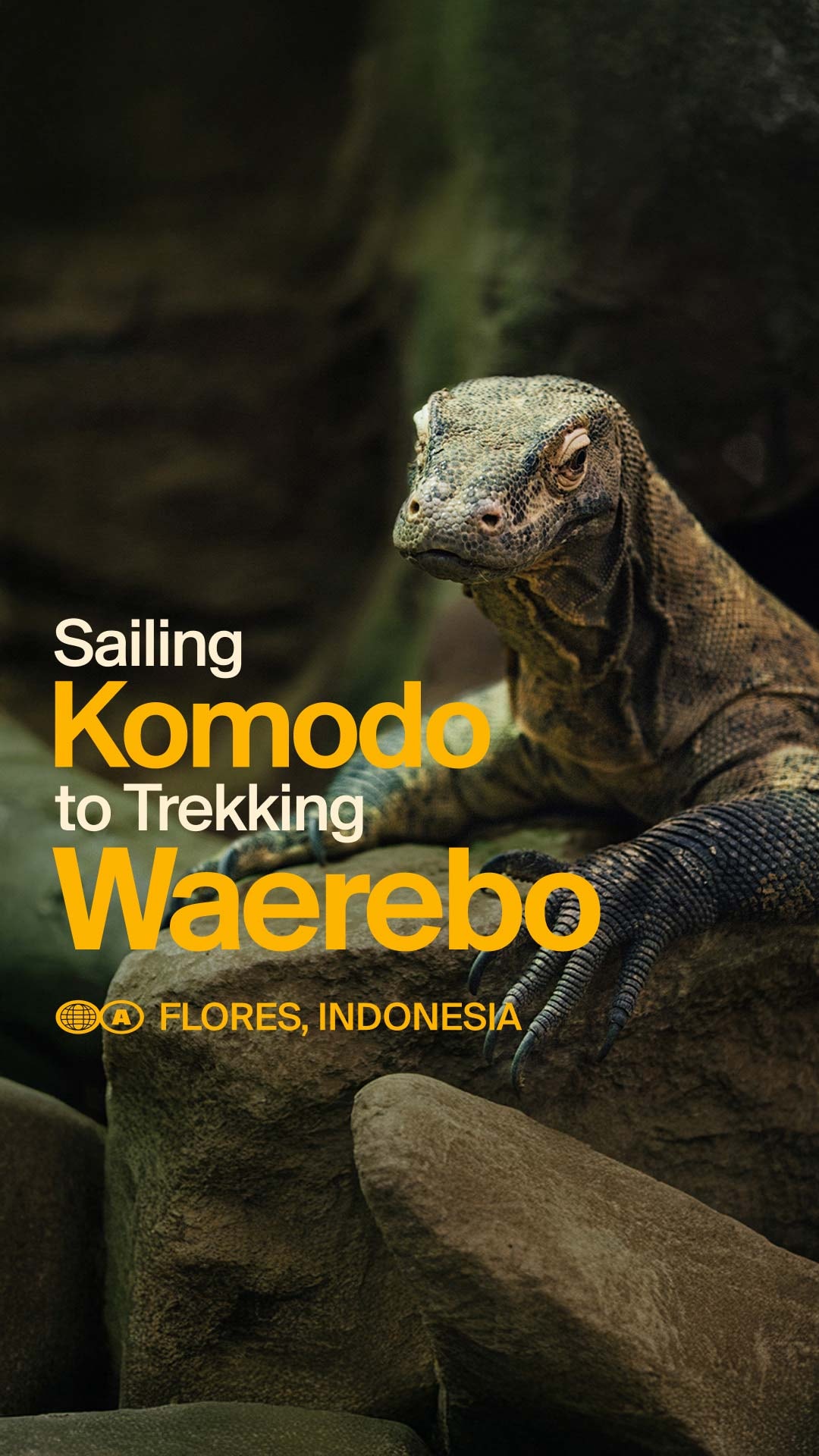
Up Close with Komodo Dragons
Get face-to-face with Komodo dragons in their natural habitat, guided by a local park ranger. Walk through Komodo Island where you’ll see these incredible, larger-than-life predators still roam – the largest living lizards on Earth. This is Apex energy.
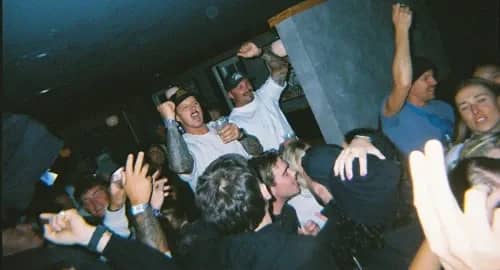
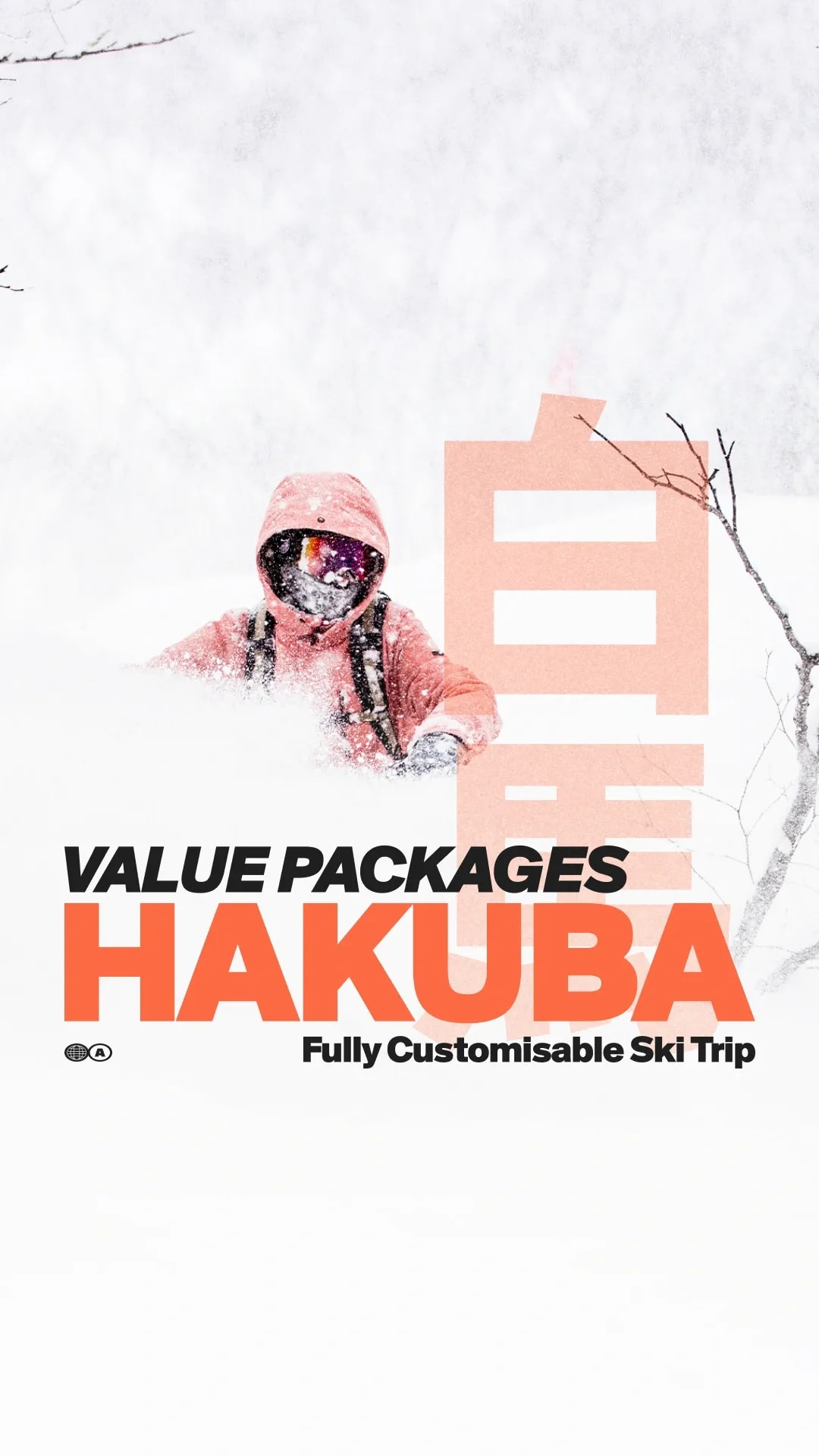
The Village Between the Runs
Most ski destinations have a village. Hakuba has a whole world tucked between the slopes. A pottery studio next to a ramen bar. A tiny sake shop run by someone who wants to tell you exactly where every bottle came from. A bakery that opens at seven and sells out by nine. Locals who've been skiing the same runs for thirty years. Between the mountains and the onsen and the izakayas, Hakuba's village is the part of the trip that fills in everything the snow days leave out.

Experience A Traditional Okinawan House
Most visitors to Okinawa never make it here. Spend the night in a traditional Okinawan house, an afternoon out on the water with a local operator who knows these reefs like his own backyard, and an evening feast with locals.
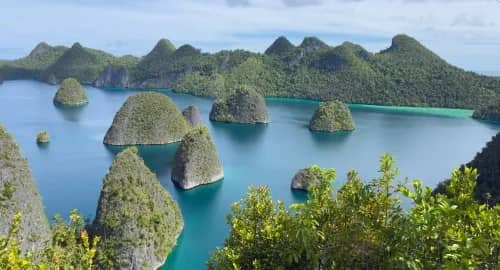
Wayag, from the top
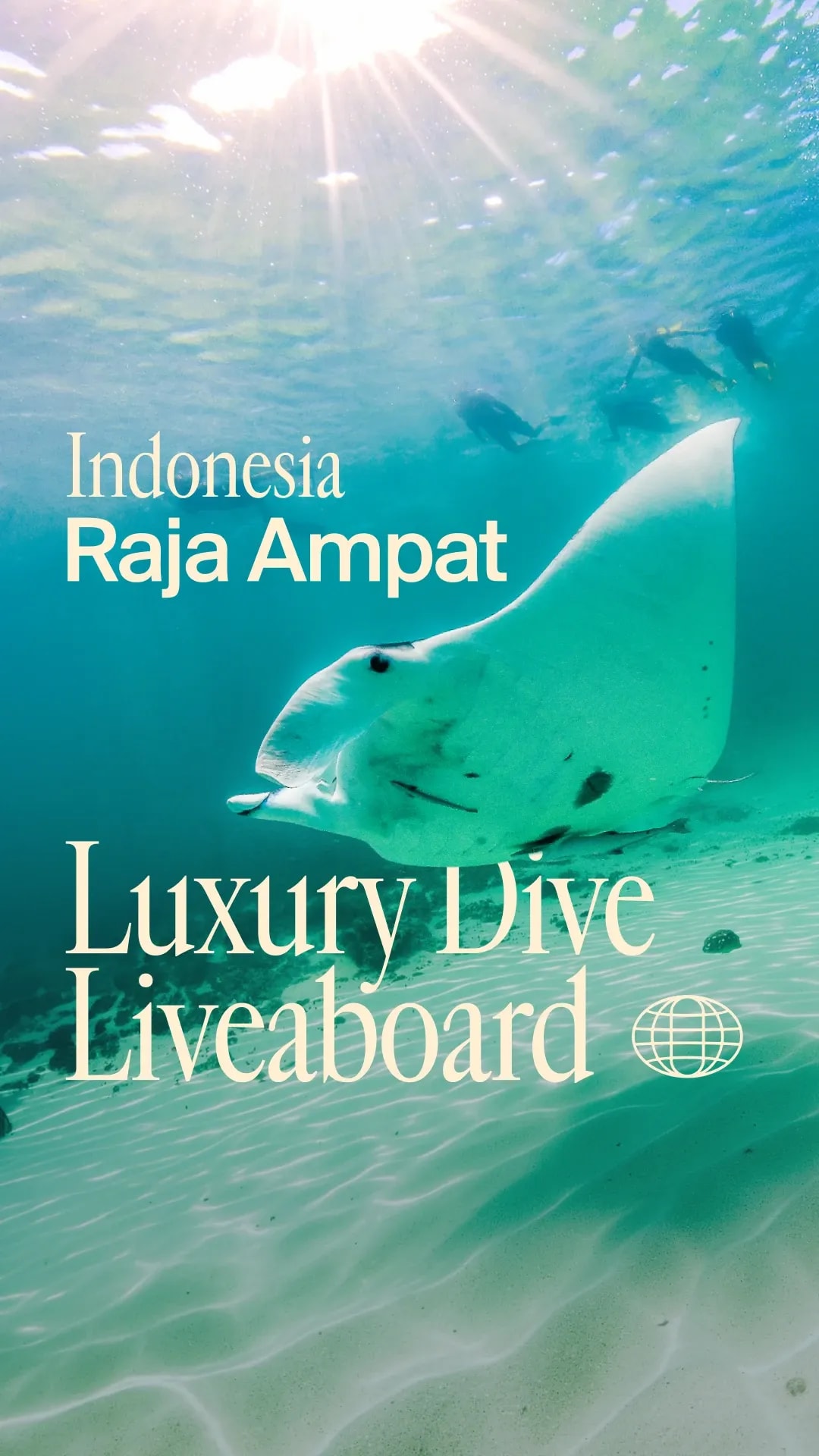
White sand below. Limestone spires rising out of electric-blue water. Climb the short but steady trail up Mount Pindito and watch the view unfold beneath you. No railings. No barriers. Just wind, water and horizon from the summit. It’s less a lookout, more a reset for the mind.
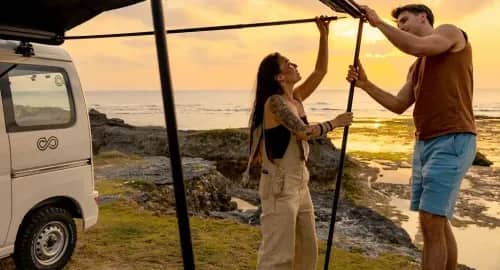
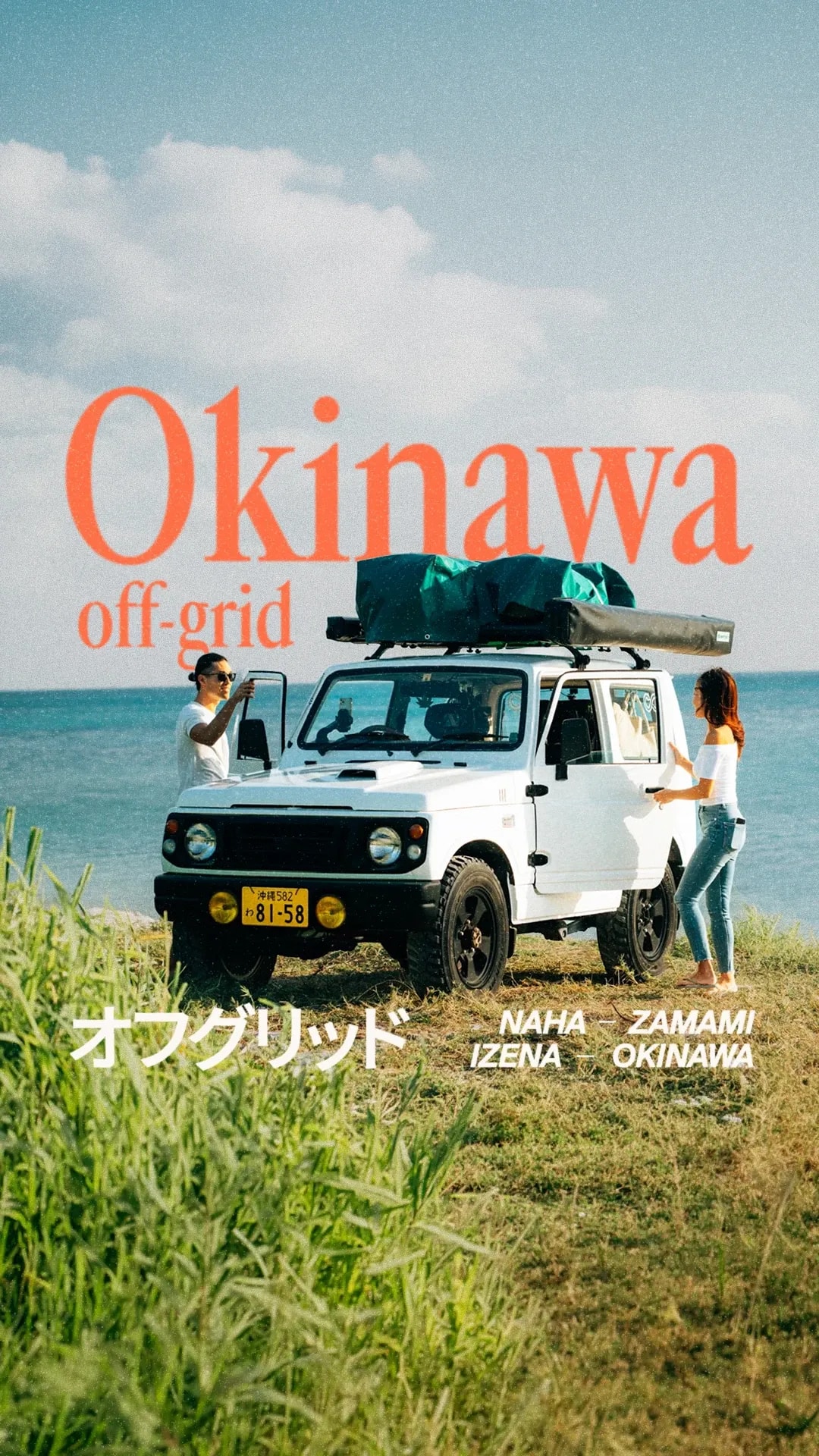
Freedom Camping on the Beach
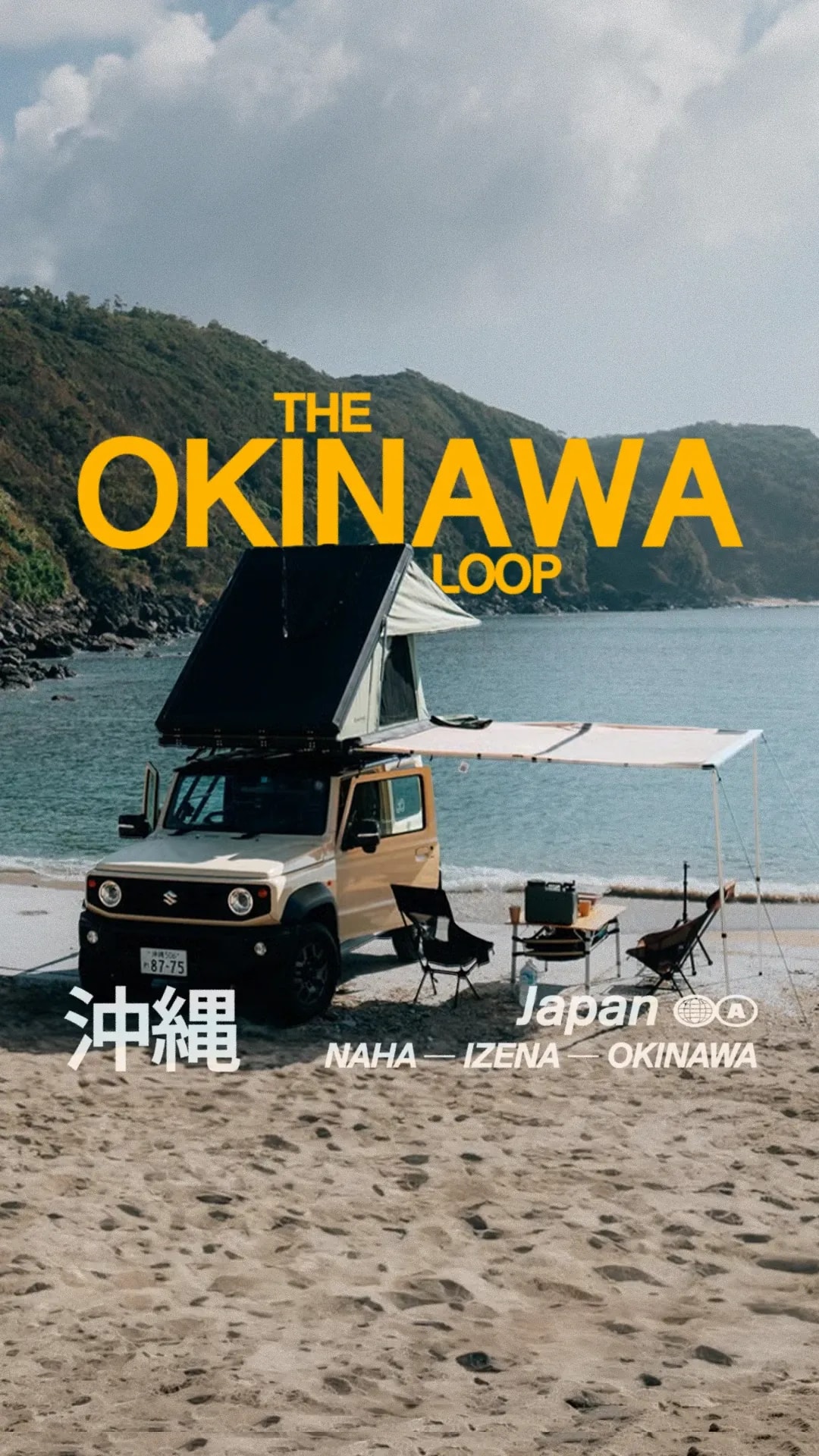
This is the furthest from home you'll feel on the whole trip, in the best possible way. Izena is small, remote and almost entirely off the tourist map. Most people who visit Okinawa never make it here. The ones who do, and who sit down to dinner with locals on their first night, tend not to stop talking about it.
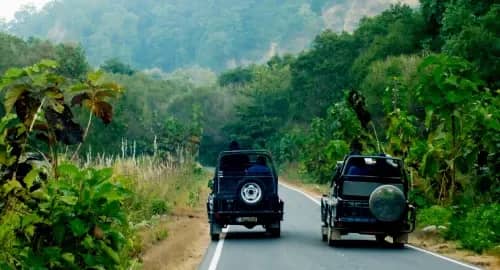
Over the Hai Van Pass in an Open-air Jeep
Mountains to your left. Ocean to your right. Climb into an open-air army jeep and take the long way north, tracing one of Vietnam’s most dramatic coastal roads. Hairpin turns. Wind strong enough to make conversation pointless.
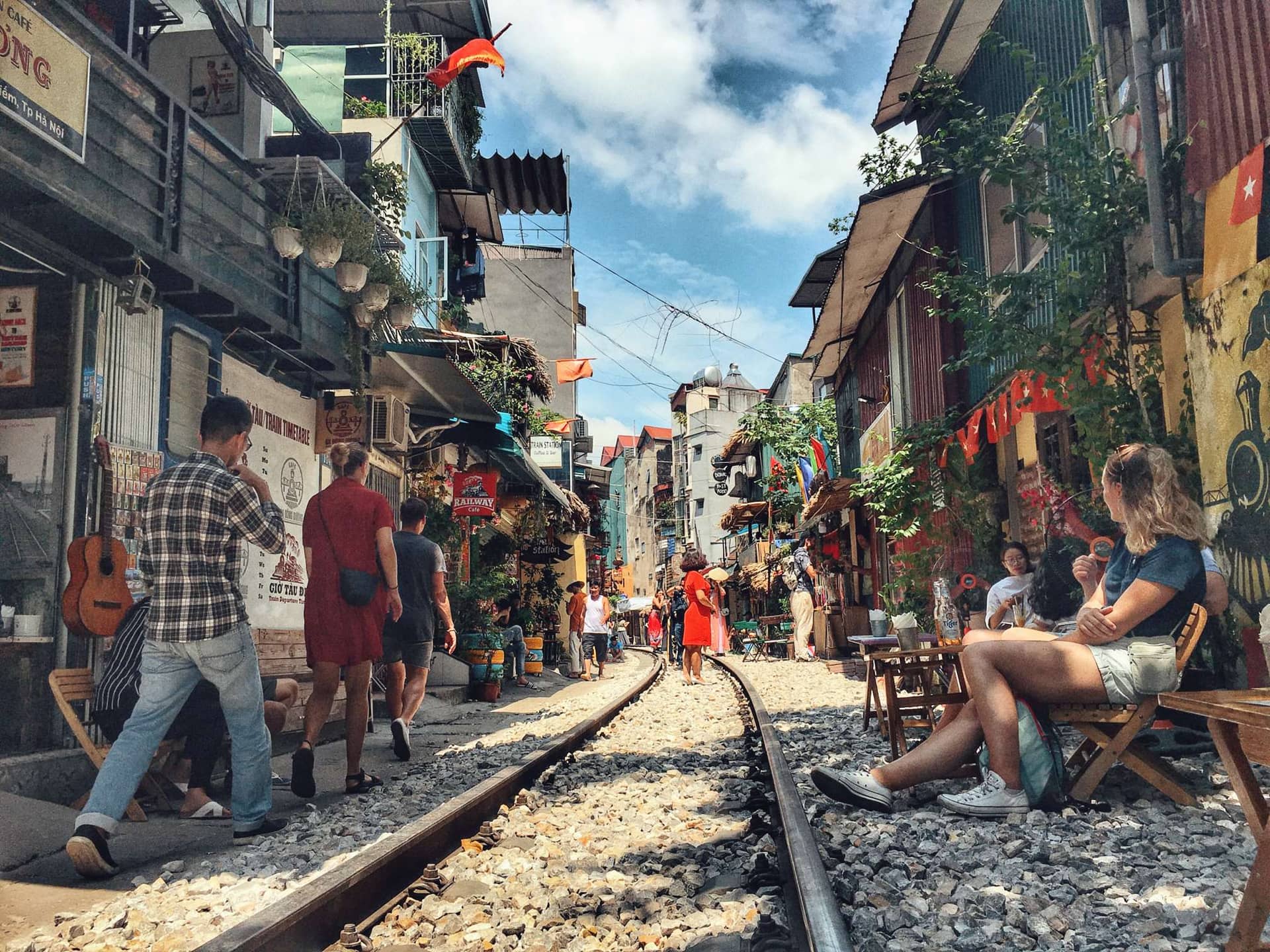
Drink Bia Hơi by the Train Tracks
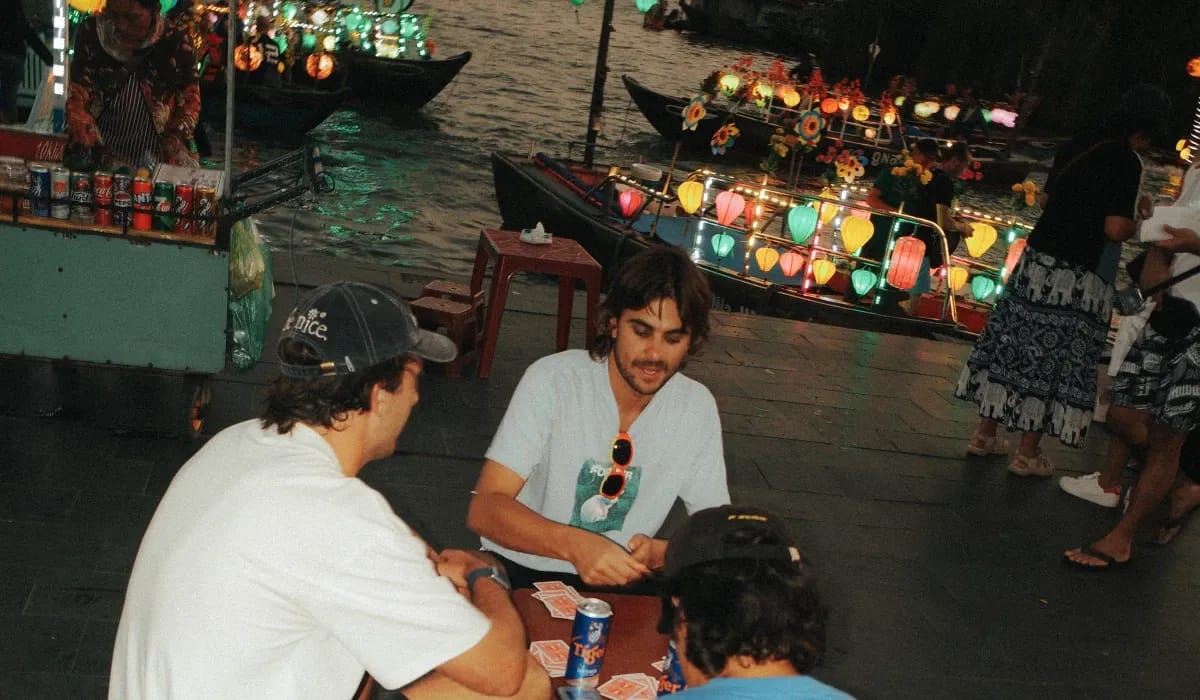
Pull up on tiny plastic stools in Hanoi’s Old Quarter, where families still live, cook and drink along an active rail line that’s been running for generations. Sip bia hơi – fresh Vietnamese beer brewed daily – as trains thunder past just metres away, shaking the street and pausing conversation mid-sentence.
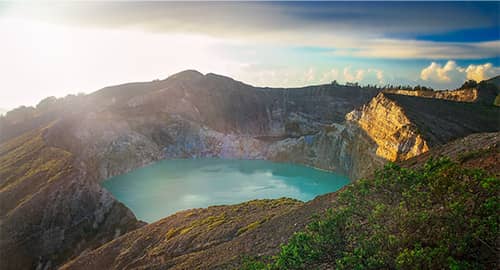
Watch sunrise over a volcano’s crater lakes.
Hike before dawn to the rim of Mount Kelimutu. As the sun rises, three volcanic lakes slowly emerge from the mist - each a different shade of turquoise, green, or black, shifting mysteriously with time.

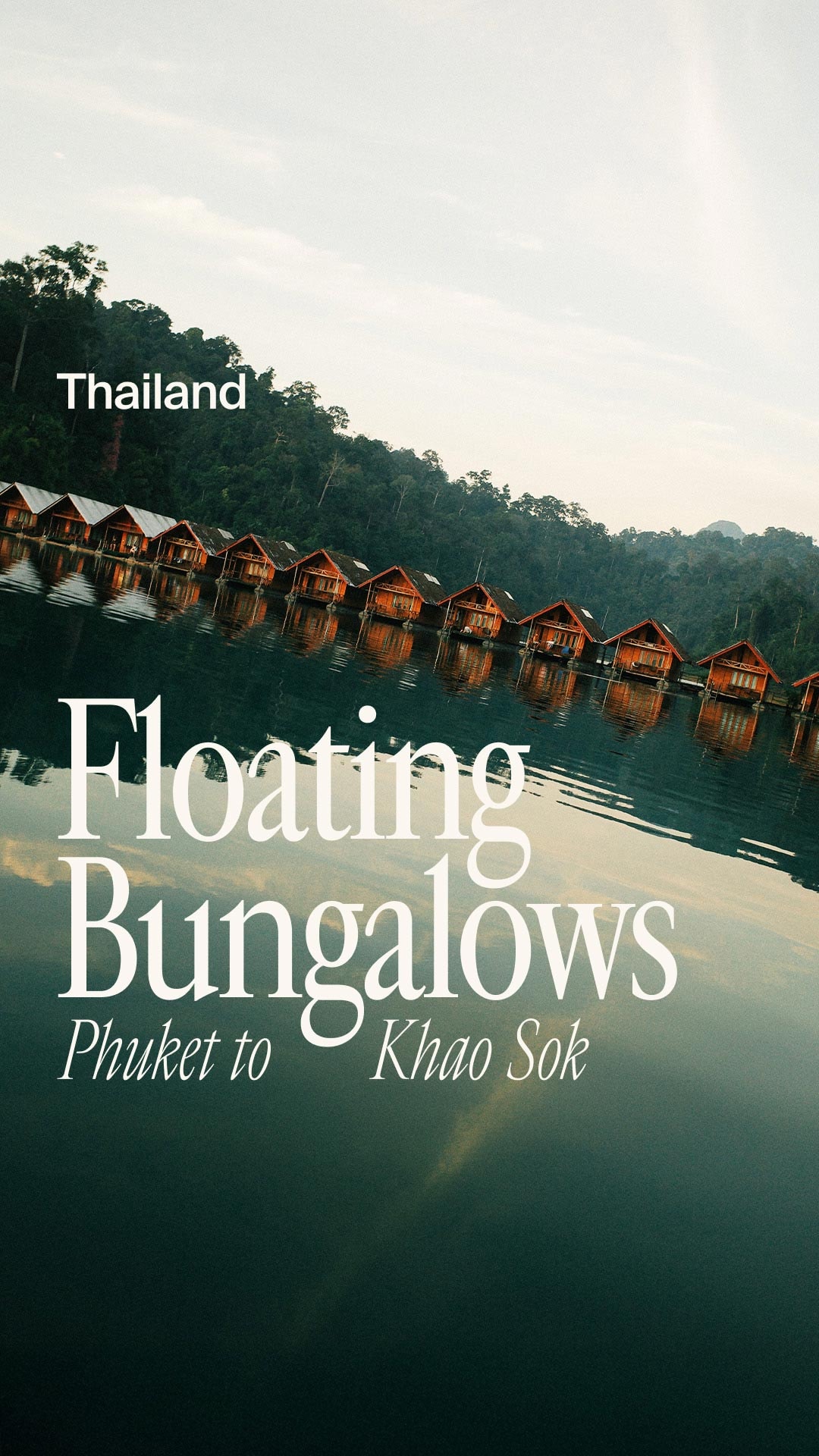
Stay in a Floating Bungalow
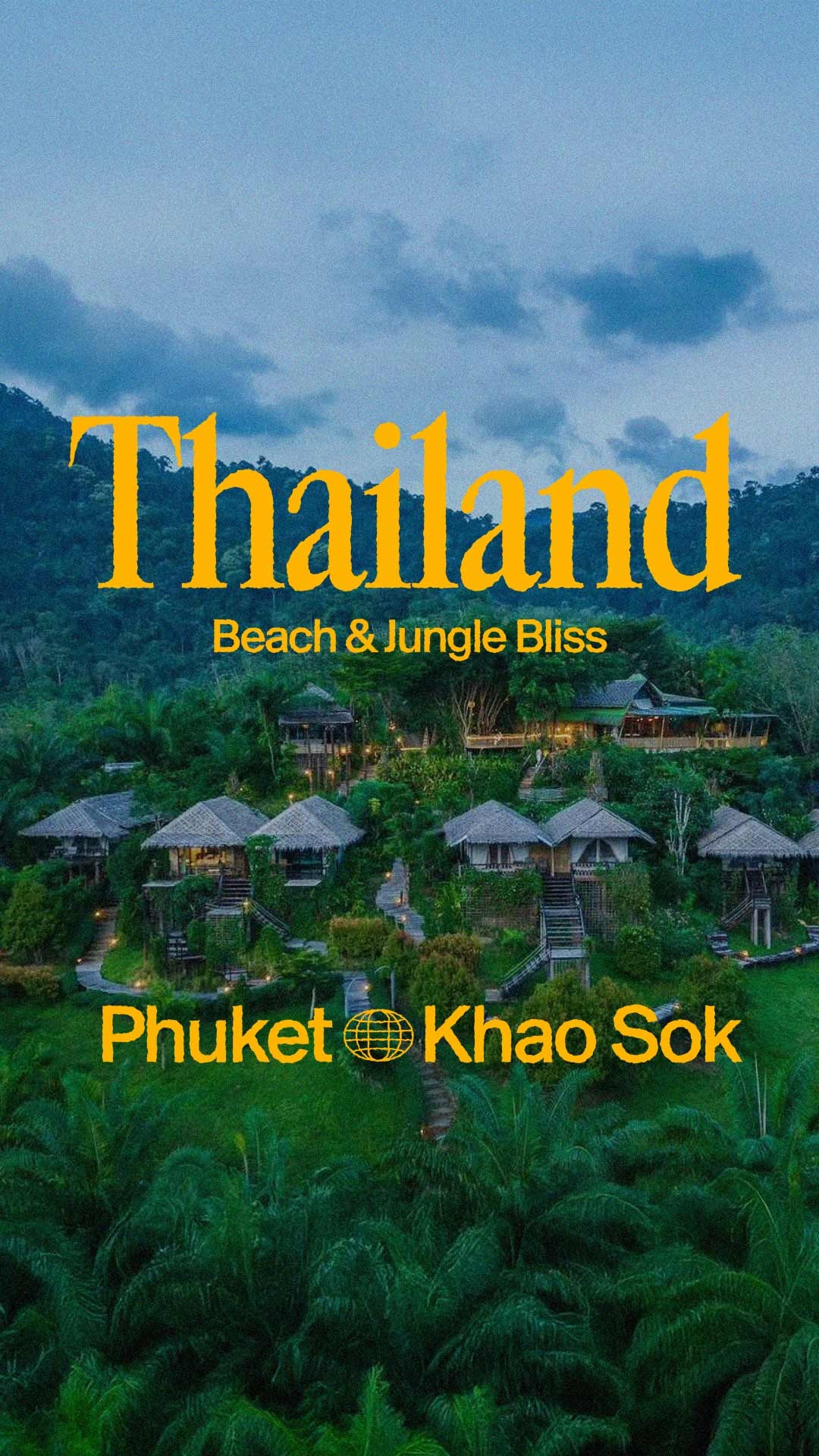
Sleep in a raft house surrounded by limestone cliffs and jungle hum. Wake to mist on the water, dive off your deck, and fall asleep to gibbons calling through the dark.
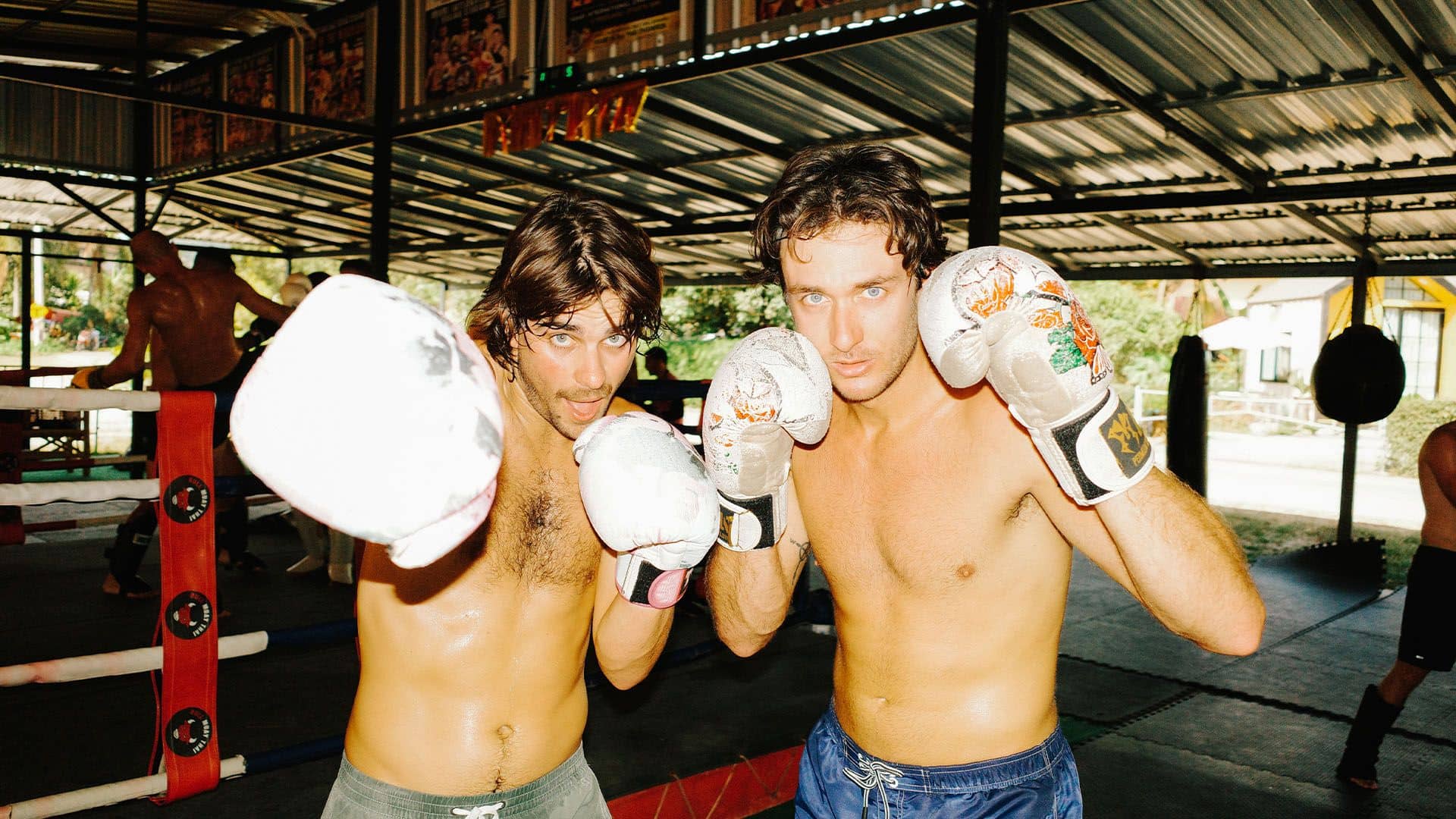
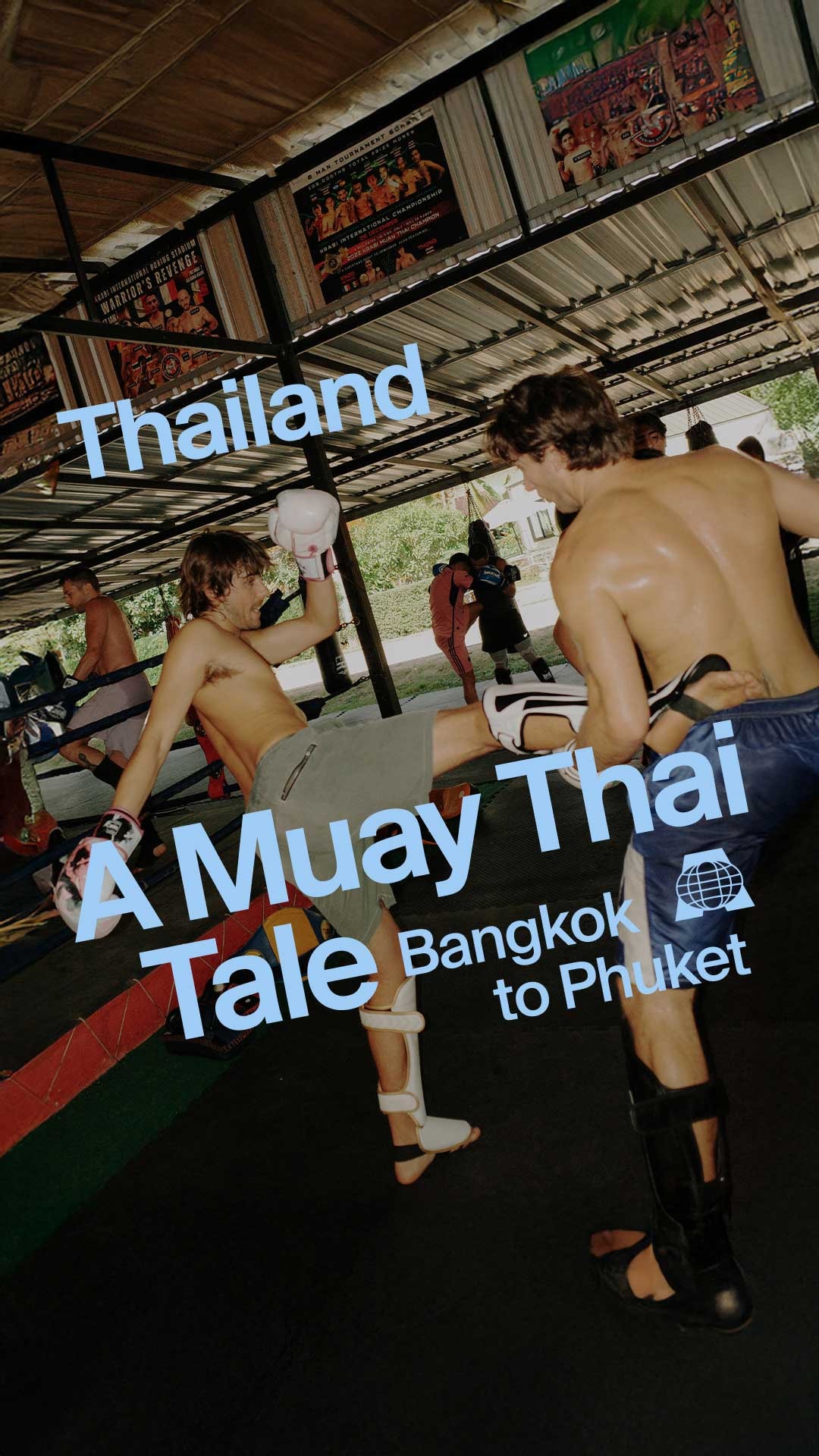
Muay Thai Pro Fighter Camp
Train alongside real Muay Thai professionals who live and breathe the sport, learning technique, discipline, and grit in an environment that doesn’t pretend to be anything it’s not. Just pads cracking, bodies moving, and coaches who set the pace to your ability while pushing you past what you thought you had.
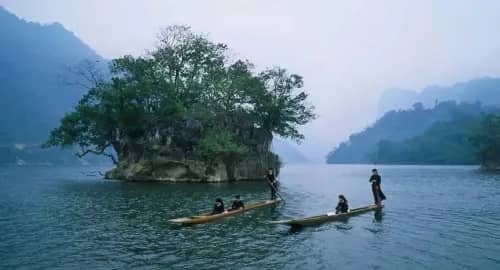
The First Morning at Ba Be Lake
The first morning at Ba Be Lake. The largest natural freshwater lake in Vietnam, forest on every side, mountains behind it and no traffic to be heard. No traffic. No notifications. Just the lake and the forest and the sound of breakfast being made somewhere inside the homestay by the host family.
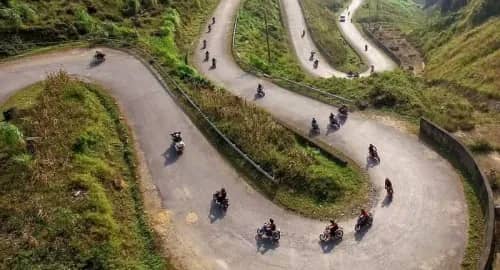
Ma Pi Leng Pass at Altitude
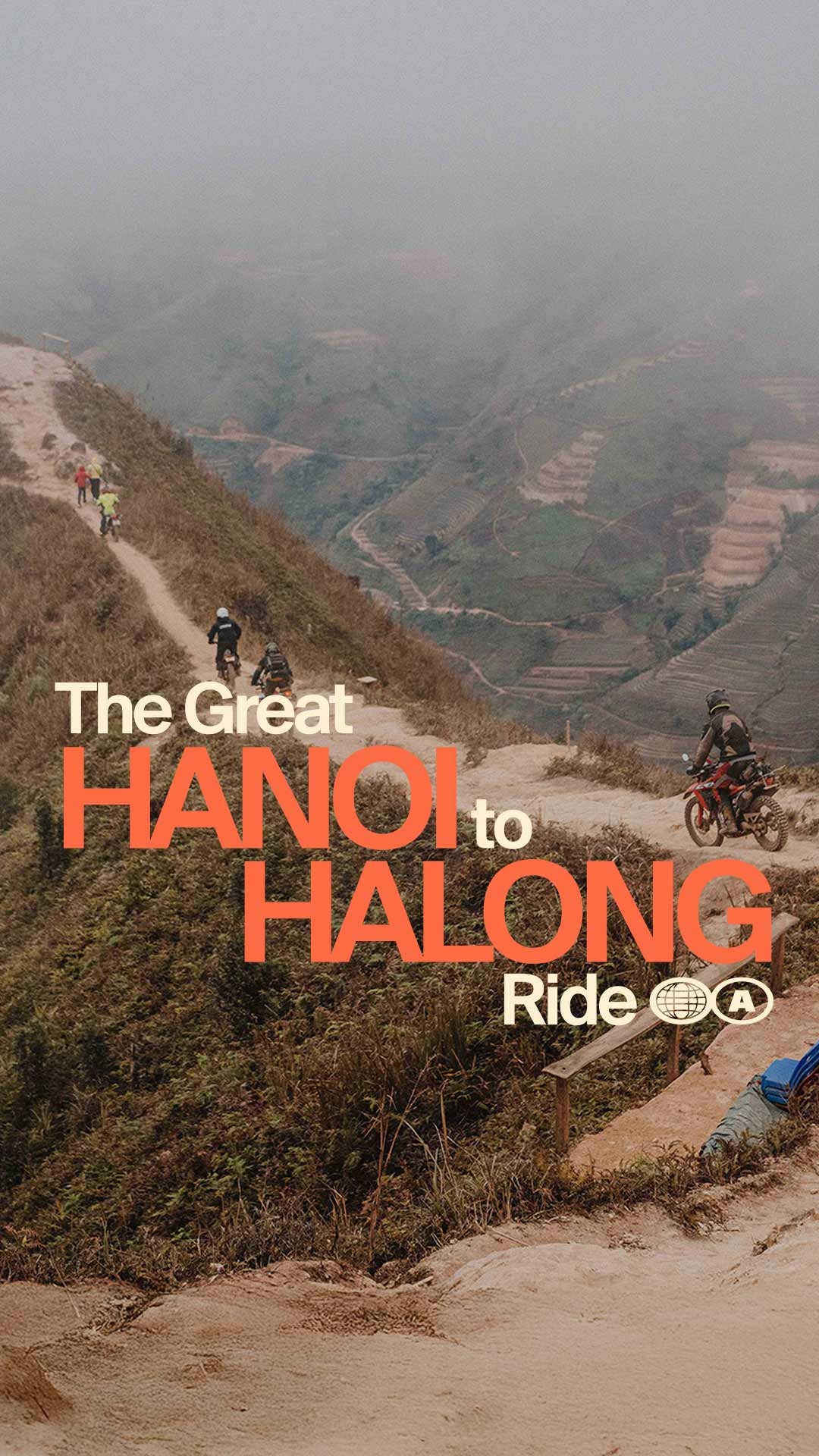
There is a section of the Ma Pi Leng Pass where the road narrows, the cliff drops hundreds of metres to the Nho Que River below and the limestone walls close in on both sides. The pass was carved by hand through the rock of the Ha Giang plateau and riding it on Day 3 is one of the best moments of the trip.
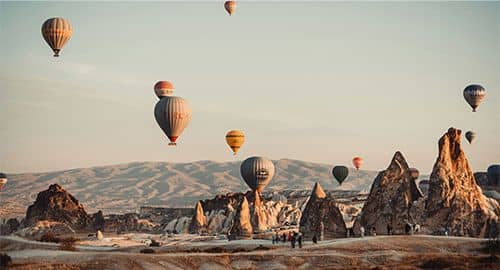
Float above Cappadocia, Türkiye
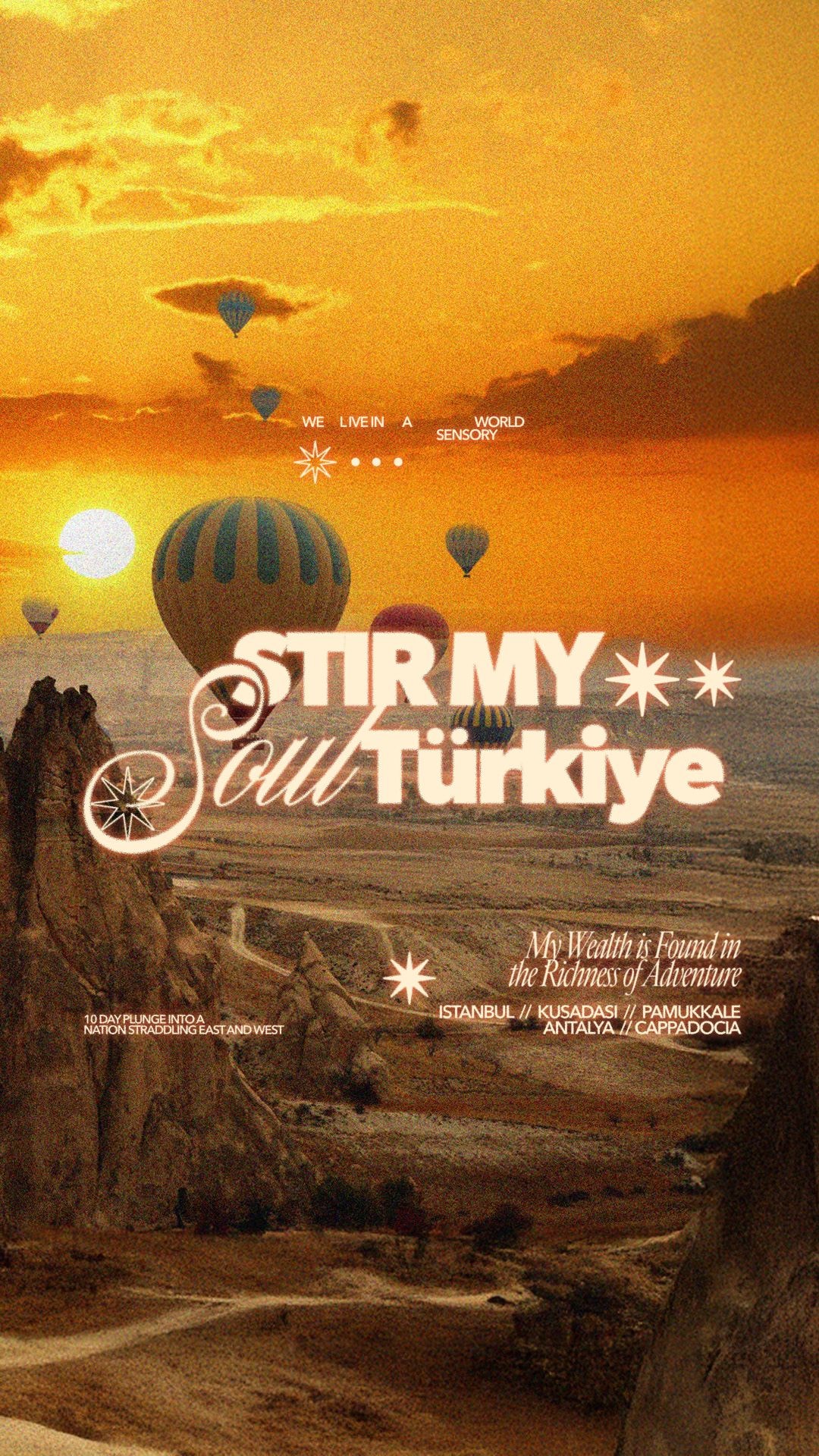
Cappadocia is a dreamworld – a real-life movie set. Drift above it at dawn in a hot air balloon, floating over honey-coloured “fairy chimneys,” lunar-like boulders, winding valleys and ancient cave dwellings. One of the world’s most surreal experiences.
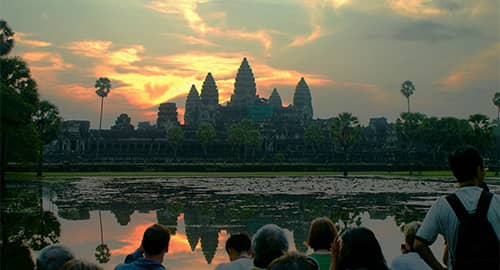
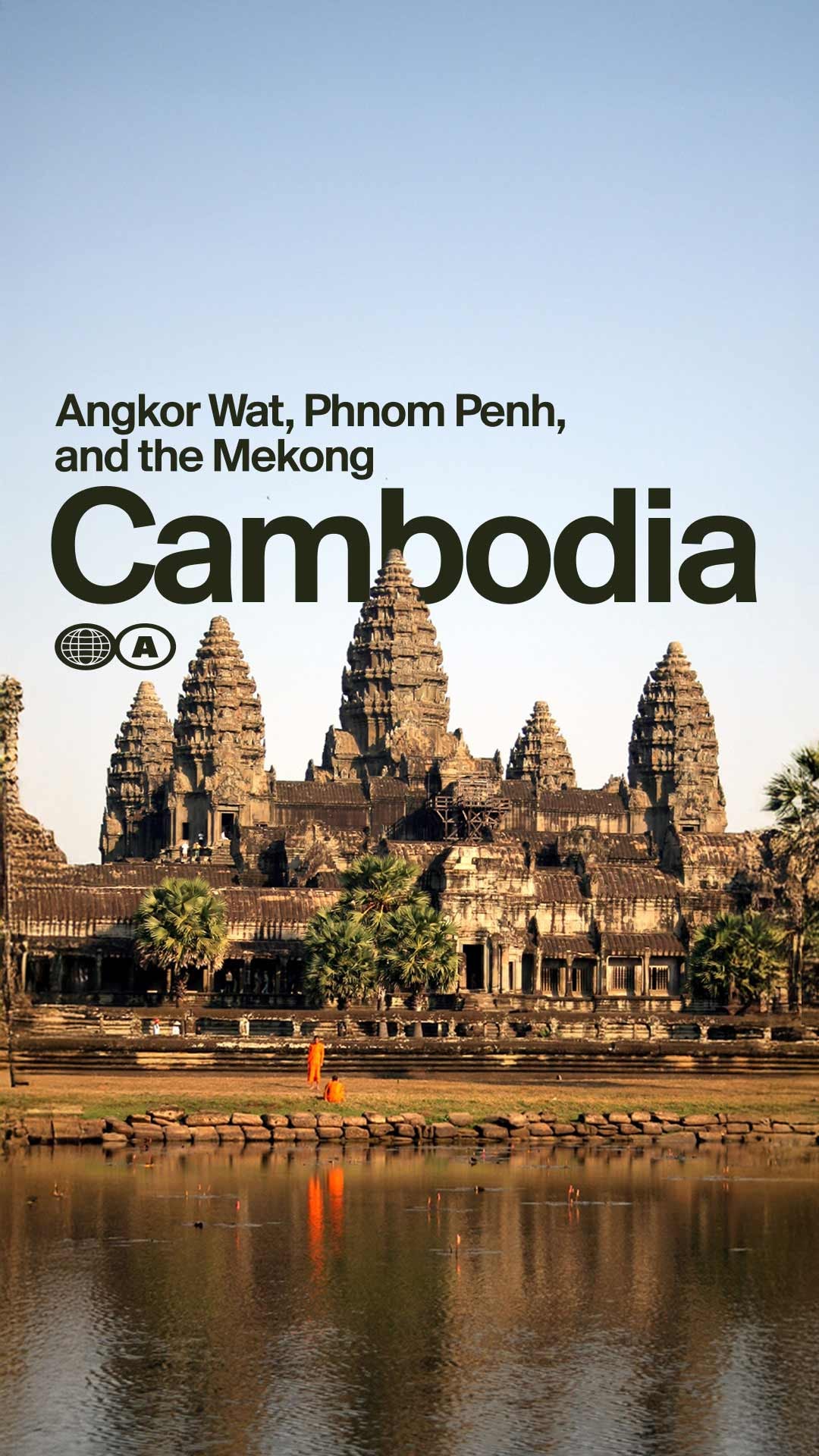
Seeing Angkor Wat at first light.
The world's largest temple – 200 hectares of 12th-century stone towers rising out of the jungle as the sun breaks. Properly jaw-dropping. Then heading deeper into Ta Prohm and Preah Khan where massive tree roots are literally tearing through stone walls. Pure Indiana Jones energy – temples being swallowed by the jungle, nature reclaiming ancient empire. It's the kind of thing that makes the 4:30 AM wake-up call worth it. Unreal, except it's completely real.
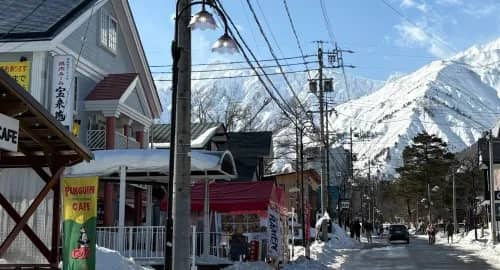
The Village Between the Runs
Most ski destinations have a village. Hakuba has a whole world tucked between the slopes. A pottery studio next to a ramen bar. A tiny sake shop run by someone who wants to tell you exactly where every bottle came from. A bakery that opens at seven and sells out by nine. Locals who've been skiing the same runs for thirty years. Between the mountains and the onsen and the izakayas, Hakuba's village is the part of the trip that fills in everything the snow days leave out.
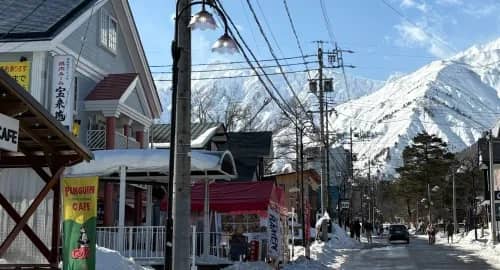
The Village Between the Runs
Most ski destinations have a village. Hakuba has a whole world tucked between the slopes. A pottery studio next to a ramen bar. A tiny sake shop run by someone who wants to tell you exactly where every bottle came from. A bakery that opens at seven and sells out by nine. Locals who've been skiing the same runs for thirty years. Between the mountains and the onsen and the izakayas, Hakuba's village is the part of the trip that fills in everything the snow days leave out.
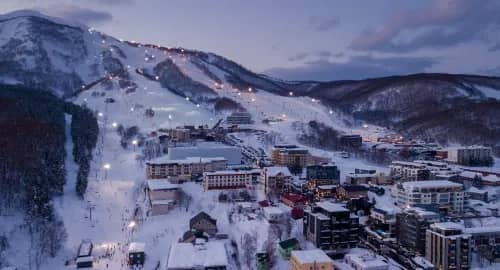
The Village Between the Runs
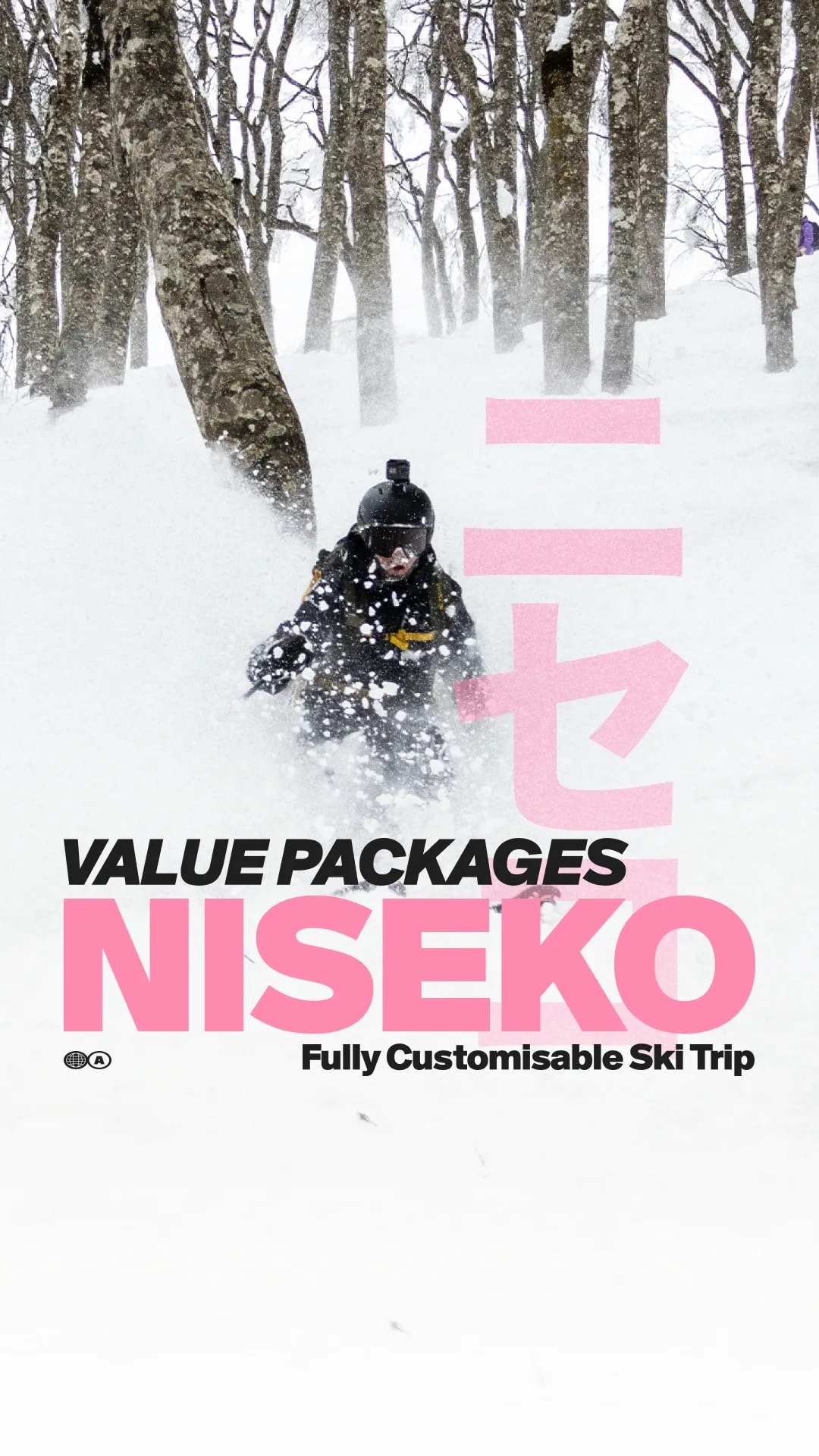
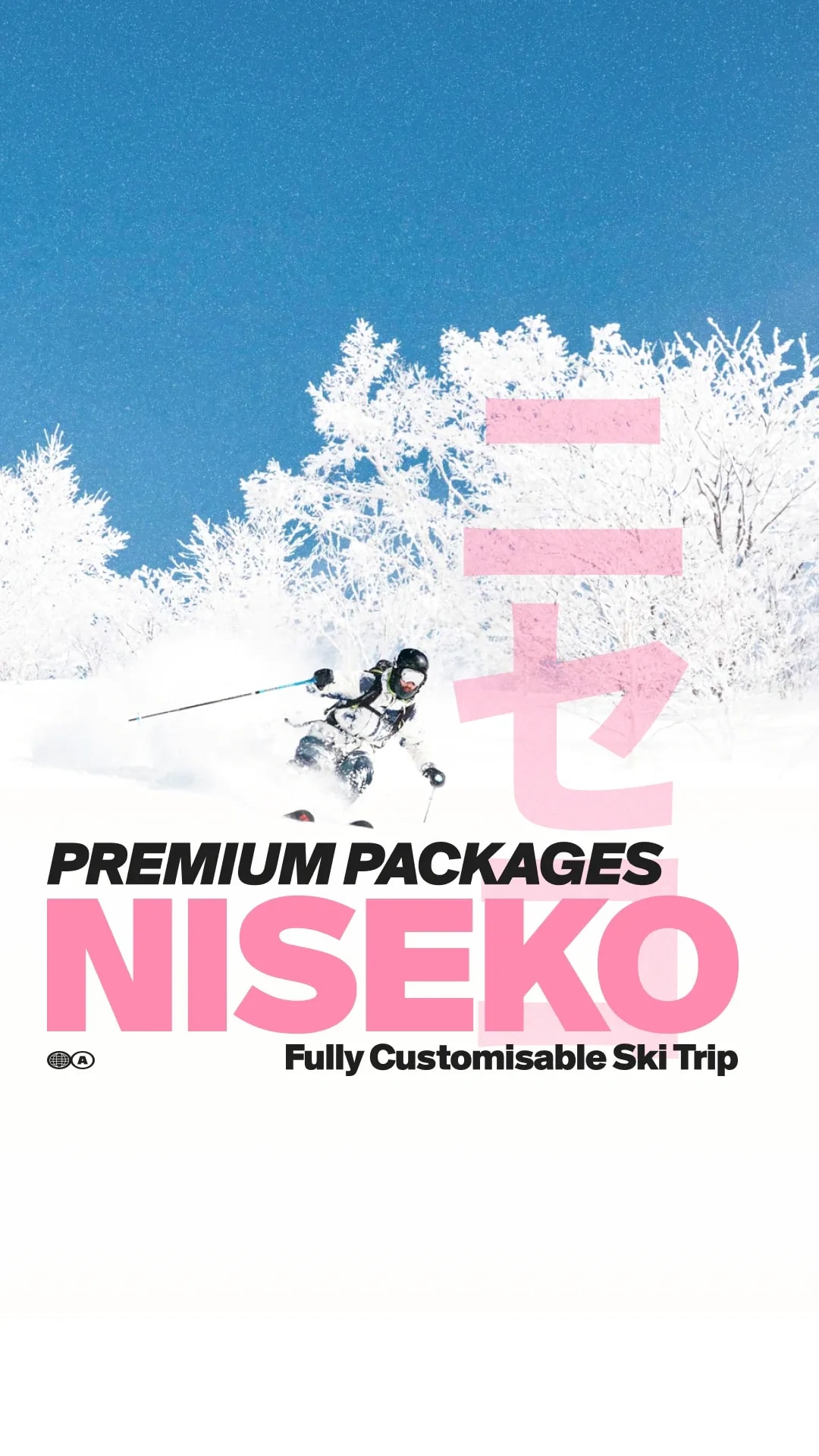
Most ski destinations have a village. Niseko has an entire scene. Hirafu is one of the most developed ski villages in Asia and it shows in the best possible way. Restaurants that would hold their own in Tokyo. Ramen spots, izakayas, convenience stores stocked better than most supermarkets back home and a high street that somehow keeps revealing something new every evening you walk down it.
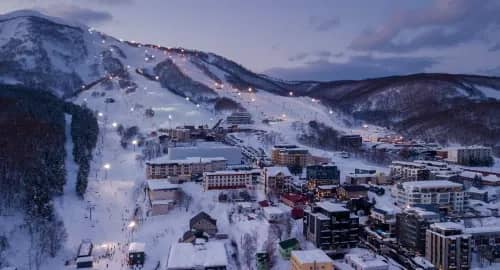
The Village Between the Runs
Most ski destinations have a village. Niseko has an entire scene. Hirafu is one of the most developed ski villages in Asia and it shows in the best possible way. Restaurants that would hold their own in Tokyo. . Ramen spots, izakayas, convenience stores stocked better than most supermarkets back home and a high street that somehow keeps revealing something new every evening you walk down it.
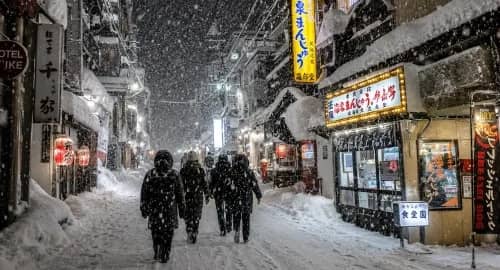
The Village Between the Runs
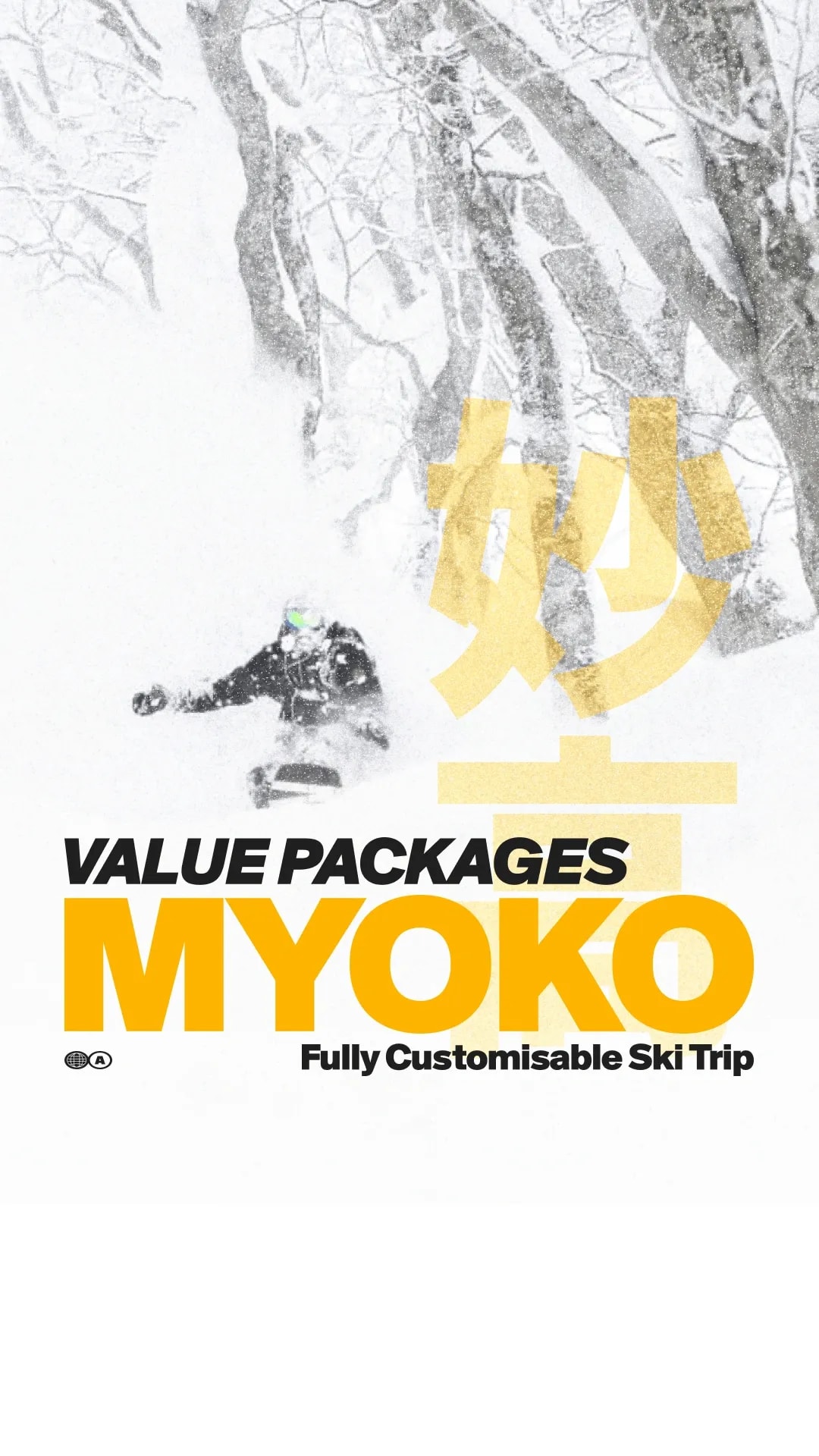
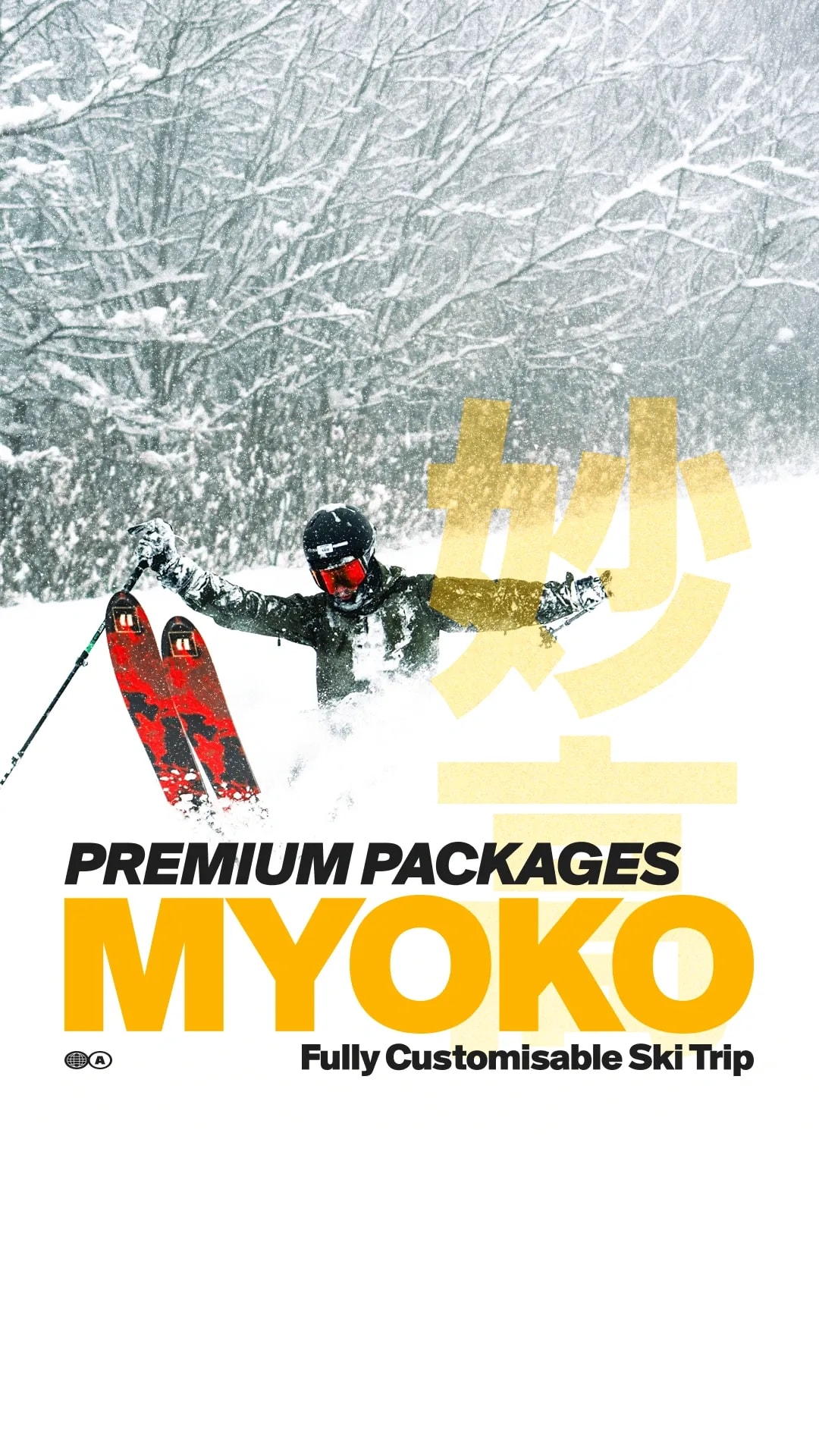
Myoko Kogen has a whole world tucked between the slopes. A pottery studio next to a ramen bar. A tiny sake shop run by someone who wants to tell you exactly where every bottle came from. A bakery that opens at seven and sells out by nine. Locals who have been skiing the same runs for thirty years and have strong opinions about which izakaya does the best skewers.
The Village Between the Runs
Myoko Kogen has a whole world tucked between the slopes. A pottery studio next to a ramen bar. A tiny sake shop run by someone who wants to tell you exactly where every bottle came from. A bakery that opens at seven and sells out by nine. Locals who have been skiing the same runs for thirty years and have strong opinions about which izakaya does the best skewers.
The Village Between the Runs
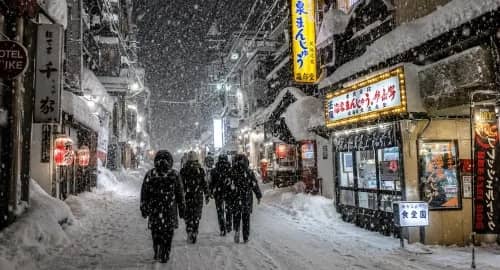
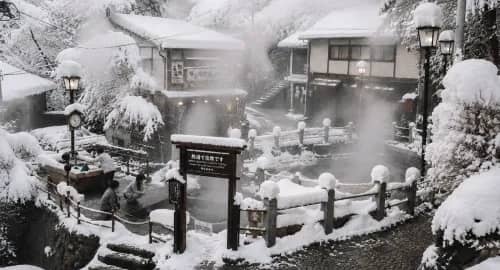
Most ski destinations have a village. Nozawa Onsen has a whole world tucked between the slopes. A hot spring town that has been here for centuries before the first ski lift was built. Thirteen public onsen baths dotted through the streets, each one free to use and fed by natural springs. A pottery studio next to a ramen bar. A tiny sake shop run by someone who wants to tell you exactly where every bottle came from. A bakery that opens at seven and sells out by nine. Locals who have been skiing the same runs for thirty years. Between the mountain and the onsens and the izakayas, Nozawa Onsen village is the part of the trip that fills in everything the snow days leave out. And unlike the more internationally marketed destinations, most of it still belongs to the people who actually live here
Stay In A Traditional Kyoto Temple
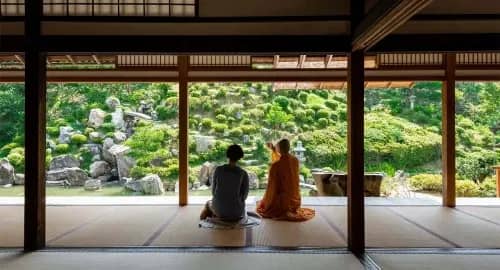
Tatami underfoot. Shoes left at the door. Dinner made entirely from plants, plated like art. As the sun drops, the temple quiets. Morning chants drift through thin walls.
The First Morning at Ba Be Lake
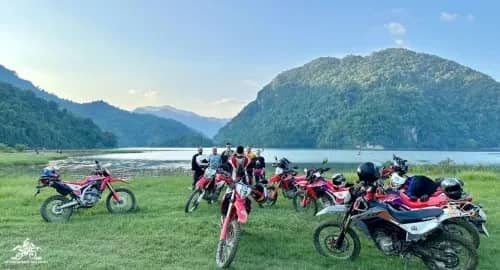
The first morning at Ba Be Lake. The largest natural freshwater lake in Vietnam, forest on every side, mountains behind it and no traffic to be heard. No traffic. No notifications. Just the lake and the forest and the sound of breakfast being made somewhere inside the homestay by the host family.
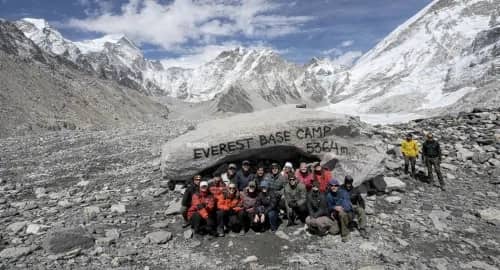
Everyone comes for Base Camp. But the hike is the thing you remember.
It's the suspension bridge strung with prayer flags over a river you can hear before you see. The yak train that makes you step aside and wait. The teahouse where the stove is the only warm thing for miles and everyone in the room drifts toward it. Base Camp is the photo you came for. The days getting there are what your mates will still be talking about years later.
